How to Make a Fruit Fly Trap at Home (Simple DIY That Actually Works)
Fruit Fly Trap DIY: Get Rid of Those Annoying Flies in Under 10 Minutes
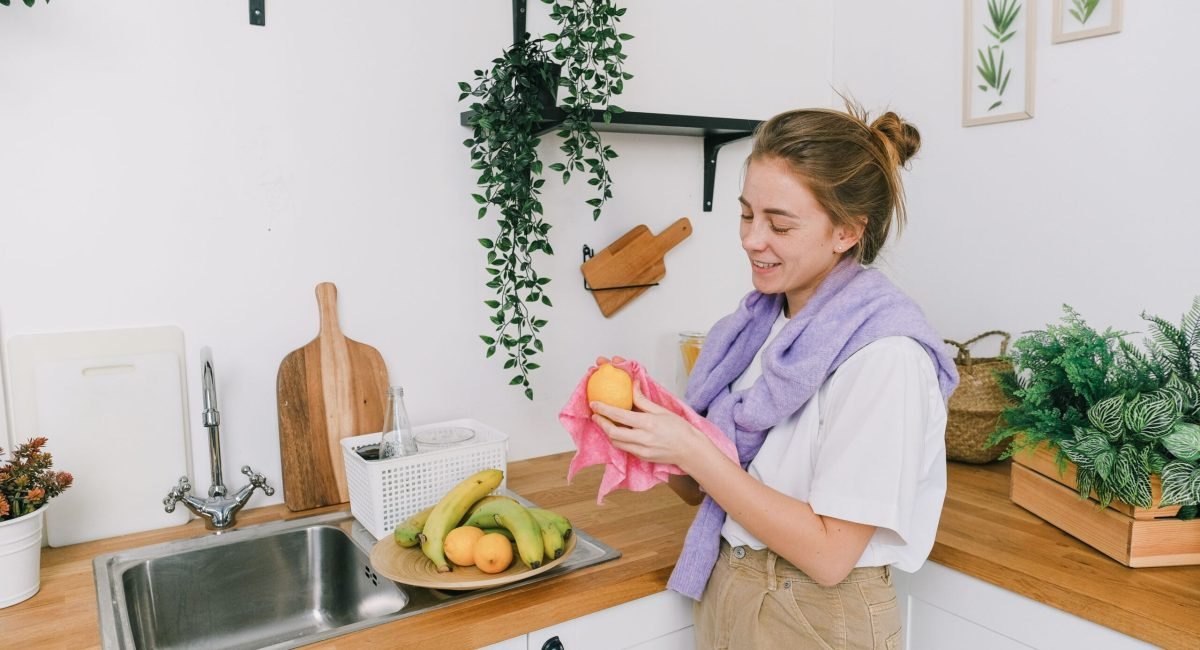
You set a bowl of bananas on the counter on Sunday. By Wednesday, there’s a small cloud of tiny flies hovering over it every time you walk past. Sound familiar?
You’re not imagining it, and you’re not doing anything wrong. Fruit flies can show up in a clean kitchen. They find ripe fruit, open drains, and damp trash, and they multiply fast once they settle in.
The good news is that you don’t need to buy anything expensive. Most of what you need is probably already in your kitchen. In this guide, you’ll learn how to make a simple fruit fly trap, why it works, and how to stop the flies from coming back.
Why Fruit Flies Appear in the First Place
Before you set a trap, it helps to understand what you’re dealing with. Most fruit flies are the small, tan-colored flies that gather around ripe or fermenting food. They’re usually Drosophila flies, and they’re drawn to the smell of fermentation.
Here’s the part that surprises most people. Fruit flies don’t need a big mess to breed. They can lay eggs in:
- Overripe fruit and vegetables
- Empty bottles and cans with leftover residue
- Wet sponges and dishcloths
- The gunk inside a garbage disposal
- Drains and the slime layer in sink traps
- Recycling bins with sticky or sugary rinse water
A female can lay hundreds of eggs in her short life. The eggs hatch quickly, and the young develop into adults in about a week or two, depending on the temperature. That’s why a few flies can turn into a full swarm in days.
So a trap helps, but fixing the source matters even more. We’ll cover both.
What You’ll Need
This DIY trap uses household items. Gather these before you start:
- A small glass jar or bowl (a jam jar or a small mason jar works well)
- Apple cider vinegar, about ¼ to ½ cup
- A few drops of liquid dish soap (any brand)
- A piece of plastic wrap or a paper cone
- A toothpick or small fork
- A rubber band (if using plastic wrap)
You can also use red wine, leftover beer, or the juice from a overripe banana in place of vinegar. Vinegar is the most reliable option for most kitchens, so we’ll focus on it.
Step-by-Step: How to Make the Fruit Fly Trap
Follow these steps in order. The whole process takes about five minutes.
Step 1: Fill the Jar With Bait
Pour about one inch of apple cider vinegar into the jar. The vinegar gives off the sweet, fermented smell that draws flies in.
Add one or two drops of dish soap and stir gently. Don’t shake the jar hard, or you’ll create a foam layer that flies can land on.
Why the soap matters: Dish soap breaks the surface tension of the liquid. When a fly lands on the surface, it sinks instead of walking away. Without soap, many flies simply land, drink, and fly off again.
Step 2: Cover the Jar
Cover the top of the jar with plastic wrap and secure it with a rubber band. Make sure the wrap is pulled tight so it lies flat across the opening.
Next, use the toothpick to poke several small holes in the plastic. Each hole should be just big enough for a fruit fly to squeeze through. Tiny holes work better than large ones, because flies can get in easily but struggle to get back out.
If you prefer not to use plastic wrap, you can roll a sheet of paper into a cone, leaving the narrow tip pointing down into the jar. Flies can enter through the cone but have trouble finding their way out.
Step 3: Place the Trap Where the Flies Are
Put the trap near the area where you see the most flies. Good spots include:
- The counter near your fruit bowl
- Beside the sink
- Near the trash can
- Close to any spot where you’ve noticed hovering
Keep the trap a few feet away from your food prep area, especially if the flies are very active. This keeps the bait from competing with your fresh produce.
Step 4: Check and Refresh
Most people see results within 24 to 48 hours. Check the trap every day and look for flies inside.
When the bait starts to look dirty, or when the vinegar level drops, replace it with fresh vinegar and soap. A trap with stale bait works much less well.
A Second Option: The Wine or Banana Trap
If you don’t have vinegar, or if you prefer a different bait, try one of these.
The wine trap: Pour a splash of leftover red or white wine into a jar and add a drop of dish soap. Cover and poke holes as above. Wine has a strong fermented smell that fruit flies love.
The banana trap: Place a small piece of overripe banana in the bottom of a jar. Add a drop of soap and cover with the holed wrap. This works well in a pinch, but it may need replacing more often because the fruit breaks down quickly.
Practical Tips to Stop Fruit Flies for Good
A trap catches the flies that are already there. To keep them from coming back, you need to remove what attracts them in the first place. Work through this checklist:
- Refrigerate ripe fruit. Bananas, tomatoes, and berries can stay in the fridge once they’re ripe enough to eat.
- Check your produce every day. Remove any fruit that’s starting to soften or leak.
- Take out the trash often. Use a lidded bin if you can, and clean it regularly.
- Rinse bottles and cans before putting them in the recycling. Sugary residue draws flies.
- Wash dishcloths and sponges at least once a week, and let them dry fully between uses.
- Clean your drains. Pour boiling water down the sink once a week, and scrub the inside of the drain stopper and the garbage disposal.
- Wipe up spills right away, especially sugary drinks and juice.
Start with the top three. They make the biggest difference for most homes.
Real-Life Example: A Kitchen That Got Its Flies Back Under Control
Picture a busy home with a bowl of bananas on the counter and a recycling bin under the sink. The owner sets a vinegar trap beside the fruit bowl. Within two days, the trap has caught dozens of flies.
But the flies keep coming. A closer look reveals the real issue: a few sticky juice bottles sat in the recycling bin, and the sink drain had a thin gray film inside.
After the owner rinsed the bottles, cleaned the drain with hot water and a brush, and moved the bananas into the fridge, the flies stopped appearing within about a week. The trap did its job in the meantime, but the cleanup made the lasting difference.
The lesson is simple. Use the trap to reduce the numbers, then fix the source.
Common Mistakes to Avoid
Many people give up on fruit fly traps too early. Watch out for these common errors:
- Skipping the dish soap. Without it, flies can land and leave.
- Making the holes too big. Large openings let flies escape easily.
- Using old bait. Replace the vinegar every few days.
- Placing the trap too far away. Put it close to where the flies gather.
- Ignoring the drain. Drains are one of the most common breeding spots.
Frequently Asked Questions
How long does it take for a fruit fly trap to work?
Most traps start catching flies within a day. For a large infestation, expect to see steady results over three to five days. Keep the trap in place until you stop seeing new flies for about a week.
Why aren’t flies going into my trap?
Check three things: the holes in the cover, the amount of soap, and the freshness of the bait. If the holes are too large or the vinegar is old, the trap won’t attract or hold the flies. Try adding a fresh splash of vinegar and making the holes smaller.
Can I use a fruit fly trap around my kids and pets?
Yes. Apple cider vinegar and dish soap are common household items. Still, keep the jar out of reach of small children and pets so nothing gets spilled or swallowed.
Do fruit flies carry disease?
Fruit flies are mainly a nuisance. They don’t bite and aren’t typically considered a serious health threat. However, they can land on food and surfaces, so it’s still a good idea to remove them and keep food covered and clean.
What if the flies come from somewhere I can’t find?
Sometimes the source is hidden, like a bottle at the back of a cupboard or a drain that’s hard to reach. Check these places first: the back of the recycling bin, under the fridge, behind the trash can, and inside the sink drain. If you still can’t find the source after a thorough search, consider calling a pest control professional.
Final Thoughts: Simple Steps, Lasting Results
Fruit flies are frustrating, but they’re easy to manage once you know what they want. A simple jar of vinegar, a drop of soap, and a few tiny holes can catch a large number of them in a short time.
To keep them away for good, combine the trap with better habits. Refrigerate ripe fruit, rinse your recycling, clean your drains, and take out the trash regularly.
Try the trap tonight. You’ll likely see results by tomorrow, and your kitchen will feel fresher within a week.