Mud Beehives Selector | 5 Types • 10+ Sizes • Complete Beekeeping Guide

🐝 Mud beehives: cooler in summer, warmer in winter

5 Types • 10+ Sizes From ancient African designs to modern adaptations—complete A-to-Z guide to real mud beehives. Materials, construction, sizes, and placement tips for thriving colonies!

5 Types of Mud Beehives
1️⃣ TRADITIONAL CLAY POT BEEHIVE
Material: Baked or sun-dried clay pots
Construction: Single or stacked clay vessels
Entrance: Small hole (1–3 cm diameter)

Characteristics:
✓ Simple, easy to make
✓ Low cost (minimal materials)
✓ Good air circulation
✓ Quick to construct
✓ Easy to harvest honey

Cost: $5–$15 per hive (DIY)
Construction Time: 1–3 days
Lifespan: 5–10 years
Best For: Rural areas, beginners, low-budget beekeeping
Bee Capacity: 10,000–20,000 bees per hive
Honey Yield: 5–15 kg per year
2️⃣ FIXED MUD WALL BEEHIVE
Material: Mud mixture (clay, straw, dung)
Construction: Built directly into house walls
Structure: Permanent, integrated installation

Characteristics:
✓ Permanent, durable structure
✓ Excellent insulation (temperature stable)
✓ Natural protection from predators
✓ Minimal maintenance needed
✓ Part of architectural design

Cost: $20–$50 per hive (includes installation)
Construction Time: 3–7 days
Lifespan: 15–25 years
Best For: Traditional homes, permanent installations
Bee Capacity: 20,000–40,000 bees
Honey Yield: 15–25 kg per year
3️⃣ CYLINDRICAL MUD HIVE (LOG STYLE)
Material: Mud mixture rolled into cylinder
Design: Long tube-shaped, mimics tree hollows
Ends: Closed with small entrance hole

Characteristics:
✓ Natural design (bees prefer)
✓ Good for horizontal placement
✓ Easy to move (lighter)
✓ Strong, weather-resistant
✓ Natural bee behavior encouraged

Cost: $15–$35 per hive
Construction Time: 2–5 days
Lifespan: 8–15 years
Best For: Natural beekeeping, organic farms
Bee Capacity: 15,000–30,000 bees
Honey Yield: 10–20 kg per year
4️⃣ DOME-SHAPED MUD HIVE
Material: Thick mud mixture (reinforced)
Shape: Rounded, dome-like structure
Design: Strong and weather-resistant

Characteristics:
✓ Excellent temperature regulation
✓ Strong structure (heavy mud)
✓ Superior weather protection
✓ Ideal for hot/dry climates
✓ Longer lifespan

Cost: $25–$50 per hive
Construction Time: 4–8 days (more complex)
Lifespan: 15–20 years
Best For: Hot climates, permanent installations
Bee Capacity: 20,000–35,000 bees
Honey Yield: 12–22 kg per year
5️⃣ MUD HIVE WITH STRAW/GRASS MIX
Material: Mud mixed with straw, grass, or dung
Composition: 2 parts mud : 1 part straw
Benefit: Improved strength and insulation

Characteristics:
✓ Lightweight (easier to handle)
✓ Better insulation properties
✓ Eco-friendly, sustainable
✓ Reduced cracking during drying
✓ Cost-effective materials

Cost: $10–$25 per hive
Construction Time: 2–4 days
Lifespan: 8–12 years
Best For: Eco-friendly farming, beginners
Bee Capacity: 15,000–28,000 bees
Honey Yield: 8–18 kg per year
Size Variations & Specifications
Size CategoryLengthDiameterVolumeBee CapacityHoney YieldBest For
Extra Small20–30 cm12–15 cm2–3 L5–10k2–5 kgSwarms, splits
Small30–50 cm15–25 cm5–10 L10–15k5–10 kgNew colonies
Medium50–80 cm25–35 cm15–30 L20–30k12–20 kgStandard (most common)
Large80–120 cm35–50 cm30–60 L30–40k18–30 kgHigh production
Extra Large120+ cm50+ cm60+ L40k+25kg+Commercial
📏 DETAILED SIZE SPECIFICATIONS
SMALL HIVES (30–50 cm):
• Length: 30–50 cm (12–20 inches)
• Diameter: 15–25 cm (6–10 inches)
• Entrance hole: 1–1.5 cm
• Bee capacity: 10,000–15,000 bees
• Honey yield: 5–10 kg/year
• Weight: 2–5 kg empty
• Best for: New beekeepers, swarms, small colonies

MEDIUM HIVES (50–80 cm) - MOST COMMON:
• Length: 50–80 cm (20–32 inches)
• Diameter: 25–35 cm (10–14 inches)
• Entrance hole: 1.5–2 cm
• Bee capacity: 20,000–30,000 bees
• Honey yield: 12–20 kg/year
• Weight: 5–10 kg empty
• Best for: Standard beekeeping, most productive

LARGE HIVES (80–120 cm):
• Length: 80–120 cm (32–48 inches)
• Diameter: 35–50 cm (14–20 inches)
• Entrance hole: 2–3 cm
• Bee capacity: 30,000–40,000 bees
• Honey yield: 18–30 kg/year
• Weight: 10–20 kg empty
• Best for: Large colonies, high production

ENTRANCE HOLE SPECIFICATIONS:
• Small (1 cm): Prevents wasp entry, limits bee traffic
• Medium (1.5–2 cm): Optimal for most hives
• Large (2–3 cm): For very large colonies
Find Your Perfect Mud Beehive
Construction, Care & Best Plants Guide
🏗️ STEP-BY-STEP CONSTRUCTION GUIDE
FOR CLAY POT HIVE:
1. Select large clay pot (50–80 cm height)
2. Drill entrance hole (1.5–2 cm diameter)
3. Seal cracks with mud mixture
4. Add wooden stick supports inside
5. Cover bottom with straw (drainage)
6. Mount on secure stand (away from ground)
7. Protect with roof (thatched or wooden)
⏱️ Time: 1–3 days

FOR CYLINDRICAL MUD HIVE:
1. Prepare mud mixture (2:1 mud:straw)
2. Shape into cylinder (mold or hand-form)
3. Create entrance hole while damp
4. Allow 7–14 days drying
5. Smooth exterior, seal interior
6. Install at slight angle (water drainage)
7. Add protective roof
⏱️ Time: 2–5 days (plus drying)

FOR DOME-SHAPED HIVE:
1. Prepare reinforced mud mix
2. Build wooden frame/mold
3. Layer mud mixture over frame
4. Create entrance before hardening
5. Allow thorough drying (2+ weeks)
6. Remove frame carefully
7. Seal and finish exterior
⏱️ Time: 4–8 days (plus drying)

MATERIALS NEEDED:
• Clay/mud (50–100 kg)
• Straw or grass (10–20 kg)
• Dung or dung powder (5–10 kg)
• Water (as needed)
• Wooden supports
• Roofing material (thatch, wood)
• Basic tools (shovel, spade, hoe)
🌻 BEST PLANTS FOR ATTRACTING BEES
SPRING FLOWERING PLANTS:
• Fruit tree blossoms (apple, almond, plum)
• Clovers (white, red)
• Dandelions
• Wild mustard
• Marigolds

SUMMER PLANTS:
• Lavender (excellent pollen source)
• Sunflowers
• Cosmos
• Borage
• Zinnias
• Sage
• Thyme

FALL PLANTS:
• Goldenrod
• Asters
• Sedum
• Buckwheat

NECTAR & POLLEN VALUE:
Excellent: Lavender, sunflowers, borage, clover
Good: Sage, thyme, cosmos, zinnias
Fair: Dandelions, mustard, marigolds

NATIVE PLANT BENEFITS:
✓ Better pollen quality
✓ Extended blooming season
✓ Lower maintenance
✓ Supports local ecosystem
🐝 MAINTENANCE & CARE SCHEDULE
DAILY/WEEKLY:
• Check hive entrance (bees entering/exiting)
• Monitor for predators
• Ensure water nearby

MONTHLY:
• Inspect for pest/disease signs
• Remove debris from entrance
• Check hive stability

SEASONAL:
• Spring: Clean entrance, check population
• Summer: Ensure adequate space, manage swarms
• Fall: Prepare for winter, reduce entrance
• Winter: Protect hive from cold, allow airflow

ANNUAL TASKS:
• Inspect structural integrity
• Repair cracks with mud mixture
• Clean/replace interior straw
• Plan honey harvest (late summer)
🍯 HONEY HARVEST GUIDE
HARVEST TIMING:
• Best time: Late summer (August–September)
• When: When hive has excess honey
• Avoid: Taking all honey (leave 20+ kg for bees)

HARVEST METHOD:
1. Smoke hive gently (calm bees)
2. Access comb carefully
3. Cut honey-filled comb
4. Drain into container
5. Return empty comb to hive
6. Bees will rebuild and refill

EXPECTED YIELDS (per year):
• Small hive: 5–10 kg
• Medium hive: 12–20 kg
• Large hive: 18–30 kg
• Factors: Weather, flowers, bees' health
📊 MODERN VS TRADITIONAL COMPARISON
TRADITIONAL MUD HIVES:
✓ Low cost ($10–$50)
✓ Sustainable, natural materials
✓ Excellent insulation
✓ Minimal equipment needed
✗ Lower honey yields
✗ Difficult to manage swarms
✗ Challenging to inspect

MODERN HIVES (Langstroth, Top-bar):
✓ Higher honey yields (25–50 kg)
✓ Easy to manage and inspect
✓ Can use protective gear safely
✗ High cost ($100–$300)
✗ Requires equipment investment
✗ Less sustainable

BEST APPROACH:
• Beginners: Start with traditional mud hives
• Scale up: Transition to modern if needed
• Hybrid: Mix both for learning & production
• Sustainable focus: Stick with mud hives
AspectMud HivesModern Hives
Cost$10–$50$100–$300
Honey Yield8–25 kg/year25–50 kg/year
SustainabilityVery HighLow–Moderate
Ease of InspectionDifficultEasy
Learning CurveModerateSteep
Lifespan8–20 years10–30 years
Bee PreferenceVery HighGood

© 2026 Mud Beehives Selector | 5 Types • 10+ Sizes • Complete Construction & Care Guide | With Special Thanks

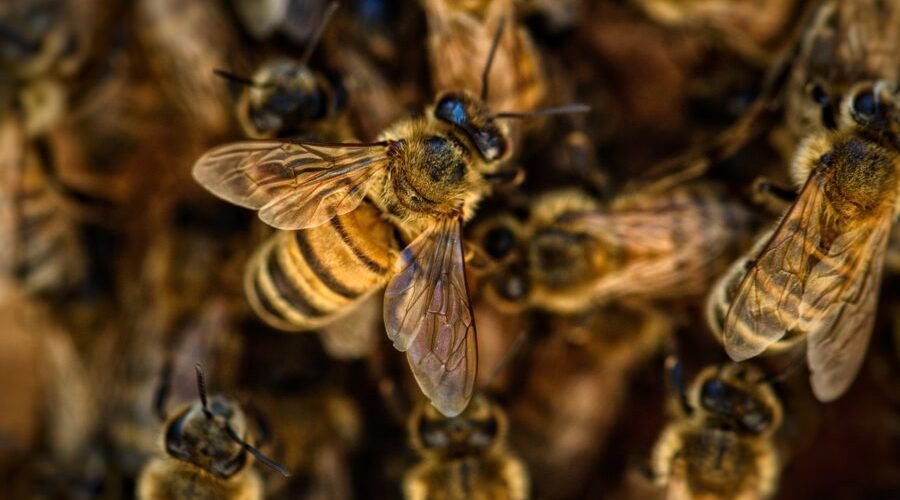
bees, wings, insects, honey, nature, pollination, pollen, honeycomb, yellow, hive, beehive, buzz, sting, brown nature, brown natural, brown bee, bees, bees, bees, bees, bees

The Complete Guide to Beekeeping with Mud Hives

Beekeeping is often associated with stacked wooden boxes and pristine white protective suits. However, long before commercial agriculture standardized the practice, humans worked alongside bees using simple, locally sourced materials. Today, a growing number of sustainable farmers, hobbyists, and conservationists are returning to these roots. They are rediscovering the incredible value of housing bee colonies in natural, earthen structures.
This guide explores the world of earthen apiaries. To get started, you will follow key steps: building your mud hive with simple local materials, attracting bees to settle, and maintaining the hive with natural, low-intervention methods. You will learn how to construct, manage, and maintain a mud beehive, ensuring a healthy environment for your colony. Whether your goal is to harvest honey, pollinate a garden, or support declining pollinator populations, these traditional methods offer an accessible entry into apiculture. Before diving in, let’s examine the roots and relevance of mud hives. With this context, we will move into understanding what mud hives are and why they are significant today.
By using local soils and natural fibers, you can create a sustainable apiary without the heavy financial investment of modern equipment. We will cover the historical significance, global design variations, step-by-step construction, and routine maintenance. You will also learn how these habitats support both honey-producing colonies and vital solitary pollinators.
Read on to master the art of natural beekeeping, reduce your environmental footprint, and build a thriving, eco-friendly habitat for your local bees.
A Complete Guide to Mud Beehives: Types, Sizes, and How to Build Them

What Are Mud Hives and Why Do They Matter Today

A mud and clay beehive is exactly what it sounds like: a habitat constructed primarily from earth, water, and natural binding agents like straw or animal dung. These structures are designed to mimic a wild bee’s preferred environment, offering excellent thermal mass and protection from the elements. As modern beekeepers face challenges such as colony collapse disorder and rising equipment costs, earthen hives offer a low-intervention, chemical-free alternative that prioritizes insect health over maximizing honey extraction. Now that we understand the basics, it is helpful to look at how these practices have evolved over time.

A Brief History of Traditional Beekeeping Methods

Humans have gathered honey for millennia, observing bees nesting in hollowed logs or rock crevices. To bring colonies closer to home, ancient farmers created artificial cavities with local earth. The use of beehive-shaped mud structures influenced both traditional beekeeping and architecture in places like Syria, laying a foundation for sustainable agriculture. As we move forward, let’s consider the features that distinguish mud hives today.
To Bee or Not to Bee: Your Guide to Choosing the Perfect Hive

Understanding Mud Hives. What Makes a Mud Hive Unique?

After looking at history, it’s important to recognize what sets mud hives apart today. In the following section, we compare these natural designs with more conventional, modern hives.
Unlike thin wooden boxes, a mud-style beehive features thick, insulating walls. This design provides superior temperature regulation. Unlike thin wooden boxes, a mud-style beehive has thick, insulating walls. This design provides superior temperature regulation, keeping the colony cool in summer and warm in winter. They require minimal precision woodworking, relying on the builder’s hands and local earth and fibrous materials such as straw. Builders often study local beehive and mud house construction techniques to understand the ideal ratios of soil to straw. (Fibrous materials add strength and prevent cracking.)

How Mud Hives Mimic Natural Bee Habitats

Bees thrive in environments that feel secure and natural. By utilizing raw, unprocessed earth, these structures lack the harsh chemicals or paints often found on commercial equipment. A wild colony looking for a nest site will readily accept an earthen cavity because it closely resembles a naturally occurring hollow. Next, let’s review the reasons why adopting mud hives can benefit both bees and beekeepers.
A beekeeper inspects colorful beehives surrounded by lush green forest. Perfect for nature and agriculture themes.

Benefits of Beekeeping with Mud Hives

Cost-Effective and Locally Accessible

You can source almost all the necessary materials from your own property. This eliminates shipping costs and drastically lowers the financial barrier to entry.

Eco-Friendly and Sustainable Beekeeping

These structures are completely biodegradable. When an earthen hive reaches the end of its lifespan, it simply melts back into the ground, leaving zero waste behind. This sustainability is just one of many advantages, which also include natural temperature regulation and cultural significance, as explored in the following sections.

Natural Temperature Regulation Advantages

The high thermal mass of clay smooths out extreme temperature spikes. The colony spends less energy fanning the comb to cool it down or shivering to keep the brood warm. Along with supporting colony health, mud hives also help preserve time-honored agricultural traditions, which we will discuss next.

Supporting Indigenous Beekeeping Practices

Building these structures helps preserve ancient agricultural knowledge. By practicing these methods, you honor and sustain the indigenous communities that perfected them over generations. While advantages abound, it is important to recognize and prepare for the unique challenges of mud hive beekeeping, which we will address next.
Vibrant beehives located in a rural apiary, Foncine-le-Haut, France.

Challenges of Mud Hive Beekeeping

Limited Honey Yield Compared to Modern Hives

Because earthen hives generally use a fixed-comb system (a hive where combs are attached directly to the structure and cannot be removed for inspection or harvesting), bees spend a significant amount of energy building wax rather than storing nectar. (Nectar is the sweet liquid collected by bees from flowers.) You will harvest less honey than you would from a commercial Langstroth setup (a modern hive with removable frames, which allow easier inspection and honey extraction).

Difficulty in Hive Inspection and Management

Fixed combs (where the beeswax comb cannot be easily removed) are difficult to inspect. Monitoring for diseases or checking the queen’s laying patterns requires a careful, non-intrusive approach. (Non-intrusive means not disturbing the bees too much or damaging the comb.)

Pest and Predator Risks

Earthen walls can degrade over time, creating cracks where ants or wax moths might enter. Regular external maintenance is required to keep the fortress secure.

Weather-Related Vulnerabilities

Heavy, prolonged rainfall can erode the exterior. Proper roof protection is mandatory to prevent the structure from being damaged in a storm. With a clear understanding of the challenges, let’s turn to the many types of mud hives employed around the world and how they adapt to local conditions.
A beekeeper tends beehives in a sunny forest, surrounded by trees and bees.

Types of Mud Hives Around the World

African Mud Hive Designs

Across Africa, rural farmers use organic cylinders, such as tree logs or stumps with mud-covered ends, to house swarms. Some even use hollowed-out tree trunks with mud at the ends for protection from predators and extreme heat.

South Asian Traditional Clay Hives

In the Himalayan regions, farmers build cavities directly into the thick exterior walls of their homes. These “wall hives” provide total protection from freezing mountain winds while allowing the bees to fly out through a small exterior hole.

Variations Based on Climate and Region

In arid regions, dome-shaped structures dominate. In modern urban settings, projects like the San Diego mud beehives initiative demonstrate how city dwellers can use earthen materials to support local pollinator populations. As you think about these possibilities, your next step is to choose an optimal location for your own mud hive.
bees, queen bee, beehive, honeycomb, beekeeping, queen, honey bees, insect, carnica, hard working, honey, queen bee, queen bee, queen bee, queen bee, queen bee

Choosing the Right Location

Ideal Climate and Environmental Conditions

Place your apiary in an area with good air circulation but protected from harsh winter winds. The ground should be firm and well-draining.

Positioning Your Mud Hive for Maximum Productivity

Elevate the structure at least 3 feet off the ground to deter pests such as skunks and ants. Ensure the flight path is clear of human foot traffic.

Importance of Sunlight, Shade, and Wind Protection

Face the entrance toward the morning sun to help the workers wake up and start foraging early. Provide dappled shade during the hottest part of the afternoon to prevent overheating.
Materials Needed to Build a Mud Hive

Materials Needed to Build a Mud Hive

Selecting the right soil composition requires a mixture of clay and sand. Too much clay cracks as it dries; too much sand crumbles. Test your soil by forming a damp ball and dropping it from waist height. Clay is sticky, sand provides structure; their balance is essential. It should hold together reasonably well.
Natural Reinforcements: Straw, Dung, and Fiber. Chopped straw, dried grass, or dry cow dung serves as the rebar (a reinforcing material similar to steel bars in concrete) for your mixture. It provides tensile strength (resistance to pulling apart) and prevents the clay from shrinking and cracking as moisture evaporates.

Tools Required for Construction

You only need basic tools: a shovel for digging, a tarp for mixing, water buckets, and your bare hands for collecting mud and shaping the walls.
Step-by-Step Mud Hive Construction

Step-by-Step Mud Hive Construction

Preparing the Mud Mixture

Mix your soil, water, and fibers on a large tarp. Stomp the mixture with your feet until it reaches the consistency of thick bread dough. The texture should be sticky but not runny. When squeezed, the mud should hold its shape without oozing water or crumbling. Aim for a smooth, cohesive mass that molds easily but stays firm when formed into a ball. This ensures your hive walls dry solid and resist cracking.

Shaping the Hive Structure

Start with a solid base and slowly build the walls upward using the coil method. You can look to nature for inspiration; a mud dauber’s beehive shows exactly how strong, layered earthen construction can be.

Drying and Hardening Techniques

Allow each layer to dry slightly before adding the next to prevent slumping. Drying time ranges from several hours to a full day, depending on the weather. In warm, dry, breezy conditions, a layer may set in 3 to 6 hours; in cool or humid conditions, 12 to 24 hours may be required. Check that the surface feels firm and not sticky before building upward. Protect the drying structure from direct sun, heavy rain, and downpours. Keep it small—about one inch in diameter—so the guard bees can easily defend it against intruders.

Attracting Bees to Your Mud Hive

Natural Methods to Lure Bee Colonies

Rub the inside of the cavity with a handful of fresh lemongrass or a few drops of lemongrass essential oil. This scent mimics the queen’s pheromones and acts as a powerful beacon for scout bees.

Using Wax and Propolis Effectively

Melt some old beeswax and paint it around the entrance hole. The familiar smell of an old colony tells scout bees that the location is safe and suitable.

Timing and Seasonal Considerations

Set up your bait hives in early spring, just before the local nectar flow begins. Watch for signs that nectar flow is approaching: an abundance of blooming flowers, especially native plants and trees, and increased bee activity around blossoms and your garden. You may also see bees returning with brightly colored pollen and frequent foraging flights. This surge in nectar and pollen is when healthy colonies reproduce and cast off swarms seeking new homes.

Bee Species Suitable for Mud Hives

Indigenous Honeybee Species

Local honeybees (Apis mellifera or Apis cerana) are highly adaptable to earthen cavities. They will readily build out their wax combs to fill the unique shape of the interior.

Behavior and Adaptability to Mud Hives

Wild swarms are particularly well-suited to these environments. They are accustomed to regulating their own temperature and managing pests without human chemical intervention.

Solitary Bees and Mud

Not all bees live in massive colonies. Solitary species, like mason bees, rely heavily on earthen materials. They emerge in early spring to find a nest site, often utilizing hollow reeds or wooden blocks. They spend their days collecting mud to partition their nesting tubes, where they lay eggs and leave a pollen provision for their offspring.

Managing Your Mud Hive

Monitoring Bee Activity Without Disturbance

You can learn a lot by simply watching the entrance. Workers bringing in brightly colored pollen indicate a healthy, growing brood inside.

Seasonal Maintenance Tips

Patch any external cracks with fresh clay immediately. Ensure the protective roof remains secure after heavy windstorms.

Ensuring Colony Health Naturally

Provide a clean, shallow water source nearby. Plant a diverse array of native, pesticide-free flowers to ensure the insects have excellent nutrition year-round. For beginners, some particularly bee-friendly native plants are easy to grow and provide abundant pollen and nectar. Depending on your region, consider sowing wildflowers such as purple coneflower (Echinacea), bee balm (Monarda), black-eyed Susan (Rudbeckia), goldenrod (Solidago), and native asters. Herbs like thyme, borage, and lavender are also excellent sources for bees and thrive in most gardens. Always select species native to your area, as local bees will recognize and benefit from them the most.

Honey Harvesting Techniques

Traditional Harvesting Methods

Harvesting requires opening the back or top of the structure and carefully cutting away only the honeycomb. You must leave the darker brood comb completely intact.

Minimizing Harm to Bees During Extraction

Use a smoker to gently calm the workers. Work slowly and methodically, brushing the insects off the honeycomb with a soft feather rather than shaking them aggressively.

Best Time to Harvest Honey

Harvest in mid-to-late summer during a strong nectar flow. Never take honey in the late fall, as the colony desperately needs those stores to survive the winter.

Pest and Disease Control

Common Threats to Mud Hives

Ants, wax moths, and small hive beetles are the primary pests. Mice may also try to chew through the walls to nest in the warmth during winter.

Natural and Chemical-Free Solutions

Place the legs of your hive stand in containers of vegetable oil to stop ants. A strong, healthy colony is the best defense against wax moths and beetles.

Preventative Measures for Long-Term Success

Keep the entrance small to help guard bees defend the colony. Regularly patch the exterior to prevent pests from bypassing the front door.

Comparing Mud Hives vs Modern Hives

Productivity Differences

Commercial Langstroth boxes use plastic foundations and reusable frames, resulting in massive honey harvests. Earthen systems yield much less but offer a purer, more natural honeycomb.

Cost and Maintenance Comparison

Modern setups cost hundreds of dollars and require expensive extraction equipment. Earthen setups cost almost nothing but require more manual observation and careful exterior patching.

Sustainability and Environmental Impact

Commercial equipment often relies on plastics, synthetic chemicals, and long-distance shipping. Earthen apiculture uses zero artificial materials and supports a completely localized, circular ecology.

Improving Mud Hive Efficiency

Simple Modifications for Better Yield

Incorporate top bars into your earthen walls. This allows the insects to build straight combs that you can carefully lift out, slightly increasing your harvest yield without destroying the nest.

Enhancing Ventilation and Drainage

Ensure the floor of the cavity slopes slightly toward the entrance. This allows any condensation to drain out naturally rather than pooling at the bottom.

Combining Traditional and Modern Techniques

You can build a thick earthen wall around a standard wooden box. This provides the insects with incredible insulation while allowing the beekeeper to easily manipulate the internal wooden frames.

Seasonal Beekeeping Calendar

What to Do in Spring, Summer, Autumn, and Winter

Spring is for catching swarms and patching winter damage. Summer is for monitoring nectar flows and expanding the apiary. Autumn requires feeding weak colonies and reducing entrances. Winter is for leaving the insects completely alone.

Preparing for Harsh Weather Conditions

Before the first frost, add an extra layer of insulating straw to the exterior. Weigh down the protective roof with heavy stones to prevent winter gales from exposing the colony.

Sustainability and Environmental Impact

Supporting Biodiversity Through Traditional Methods

By avoiding chemical miticides and artificial feeds, you encourage stronger, more resilient insect genetics. This natural selection strengthens the local population as a whole.

Reducing Carbon Footprint with Mud Hives

Building with backyard soil eliminates the carbon emissions associated with logging, milling, manufacturing, and shipping commercial woodenware.

Role in Organic Farming Systems

These structures fit perfectly into permaculture and organic farming systems, providing essential pollination services without introducing synthetic materials into the food web.

Common Mistakes to Avoid

Poor Site Selection

Placing the structure in a damp, low-lying hollow keeps the clay wet, which can cause internal mold and an unhealthy colony. If you notice mold, act immediately: improve drainage, patch cracks to prevent water infiltration, and if possible, relocate the structure to higher, drier ground. Regularly check for soft or discolored spots inside the hive. Good airflow and protection from standing moisture help prevent mold and keep your bees healthy.

Overharvesting Honey

Taking too much honey is a fatal error. Always prioritize the colony’s winter survival over your desire for a large harvest.

Ignoring Pest Control

Failing to elevate the structure leaves it highly vulnerable to ground-dwelling predators. Always use a sturdy, elevated stand.

Tips for Beginners

Starting Small and Scaling Gradually

Build just one or two structures your first year. Learn the rhythms of the local nectar flow and the behavior of the insects before expanding your apiary.

Learning from Local Beekeepers

Connect with local agricultural extension offices or beekeeping clubs. Indigenous knowledge and local weather patterns are your most valuable resources.

Keeping Expectations Realistic

Understand that natural apiculture is about environmental stewardship, not commercial profit. Celebrate healthy pollination and small, sustainable honey harvests.

Economic Potential of Mud Hive Beekeeping

Selling Honey and Byproducts

Natural, crushed-comb honey sells at a premium in local markets. Buyers appreciate the chemical-free, artisanal approach to your apiary.

Local Market Opportunities

You can sell beeswax for cosmetics, propolis for tinctures, and even offer pollination services to local community gardens.

Value-Added Products like Wax and Propolis

By rendering the wax from your crushed combs, you can create high-quality candles, lip balms, and woodworking polishes that provide an excellent secondary income stream.

Cultural and Traditional Significance

Role of Mud Hives in Rural Communities

In many developing nations, these practices remain a crucial source of medicine, calories, and income. They represent a harmonious relationship between humans and the natural world.

Passing Down Indigenous Knowledge

Teaching these construction methods to the next generation ensures that sustainable, low-impact agriculture continues to thrive in an increasingly mechanized world.

Future of Mud Hive Beekeeping

Integrating Tradition with Innovation

Modern conservationists are beginning to study these ancient designs, using thermal imaging to prove how effectively thick earthen walls regulate internal temperatures compared to thin wooden boxes.

Growing Interest in Sustainable Practices

As climate change impacts global agriculture, farmers are actively seeking resilient, low-cost methods to protect vulnerable pollinator populations. Earthen apiculture provides a proven, historical blueprint for success.

Frequently Asked Questions 

1. How long does a clay beehive last?
Depending on your climate and how well you maintain the exterior, they can last from 3 to 10 years. Regular patching and a good waterproof roof significantly extend their lifespan.
2. Will rain destroy my earthen apiary?
If left unprotected, heavy rain will wash the clay away. You must provide a wide, overhanging roof made of wood, thatch, or metal to shield the walls from direct precipitation.
3. Do I need to buy bees for this setup?
You can, but it is often better to catch a local swarm. Wild swarms are already adapted to your specific climate and naturally equipped to survive in unmanaged cavities.
4. How much honey can I expect to harvest?
Expect a modest yield of 5 to 15 pounds per year. The focus of this method is colony health and pollination, rather than commercial-scale honey extraction.
5. Can I move the structure once it is built?
Earthen structures are incredibly heavy and fragile. It is highly recommended to build the structure in its permanent, final location to avoid cracking the walls during transport.
6. Are these setups legal in urban areas?
Most cities regulate the number of colonies you can keep, not the material of the boxes. Always check your local agricultural and zoning ordinances before establishing an apiary.
7. How do I inspect for diseases?
You rely heavily on external observation. Monitoring flight patterns, checking the landing board for debris, and smelling the air escaping the entrance provide valuable clues about internal health.
8. Do solitary insects use these structures?
Yes. While honeybees live inside the main cavity, solitary species like mason bees will readily use small holes in the exterior walls as nesting tubes to deposit pollen and reproduce.
9. Do I need protective gear?
Absolutely. While the housing is natural, the insects still possess stingers and will defend their home if they feel threatened. A veil, suit, and smoker are mandatory.
10. What kind of soil is best?
Subsoil containing roughly 20% to 30% clay mixed with sand is ideal. Avoid rich topsoil, as the organic matter will decompose and weaken the structural integrity.
11. Why do I need to add straw or dung to the mix?
Straw, dry grass, and herbivore dung provide essential fibrous reinforcement. Without these fibers, the clay will shrink rapidly as it dries, causing massive structural cracks.
12. Can I paint the exterior?
Do not use synthetic chemical paints, as they can off-gas and harm the colony. You can use a natural limewash to reflect sunlight and protect the clay from light moisture.
13. How do I stop ants from invading?
Elevate the structure on a sturdy stand and coat the legs in a sticky barrier or place the legs in shallow containers filled with vegetable oil to block crawling pests.
14. Do bees survive winter in earthen cavities?
Yes, they often survive better than in thin wooden boxes. The thick walls trap the colony’s metabolic heat, keeping it well-insulated against freezing temperatures.
15. Can I use these methods in a wet, tropical climate?
Yes, but you must focus heavily on keeping the structure dry. Build on high ground, ensure the entrance slopes downward to shed water, and build a massive, leak-proof roof.

The Future of Natural Beekeeping

Returning to traditional earthen apiculture offers a profound way to reconnect with nature. By relying on local soils, natural fibers, and minimal interference, you provide a safe, insulated haven that prioritizes insect health over industrial yields.
Whether you are building a small habitat for solitary pollinators or constructing a large traditional structure for honey extraction, you are taking a vital step toward sustainable agriculture. Gather your materials, prepare your garden, and start building a resilient, eco-friendly home for your local bees today.

Additional Resources

For further information and guidance on supporting pollinators and sustainable beekeeping practices, consider exploring these resources:
These resources provide detailed insights and practical steps to make a positive impact on your local ecosystems.
Scroll to Top