Garden Harvest Guide – When & How To Pick 21+ Vegetables
Months of watering, weeding, and watching the sky for rain all lead to this moment — the garden harvest. But here’s the part nobody warns you about: picking too early or too late can undo a whole season of work in seconds. A cucumber left one day too long turns bitter. Lettuce cut wrong stops regrowing. Potatoes dug in the wrong week bruise before you even get them inside.
This garden harvest guide walks through exactly when and how to pick more than 21 common vegetables, plus the small habits that make everything you grow taste better and last longer once it’s off the plant. Whether you’re managing a few containers or a full vegetable patch, this is the vegetable picking guide you’ll want to bookmark for the rest of the season.
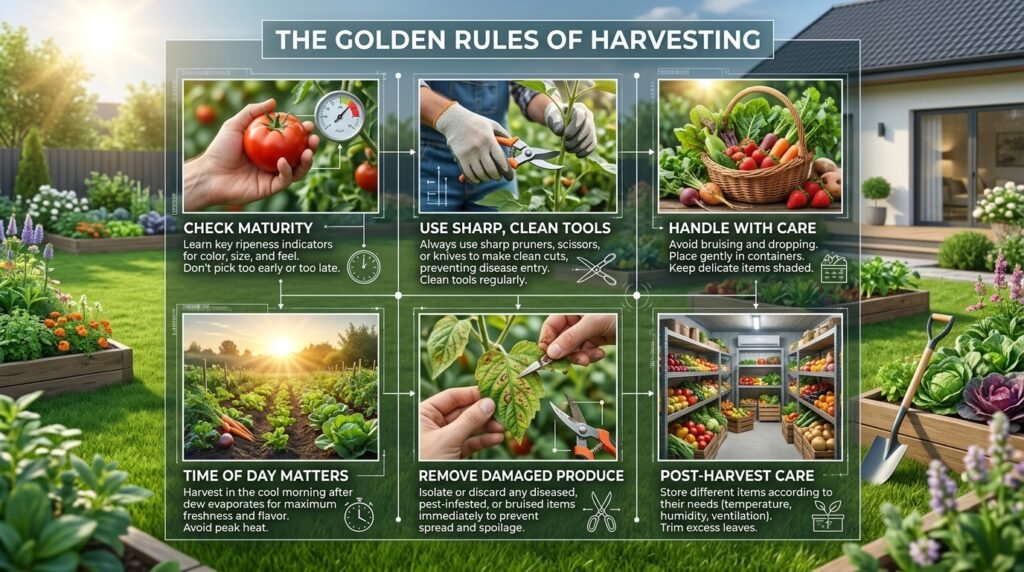
The Golden Rules of Harvesting
Before we get into specific vegetables, a few universal rules apply across almost everything you’ll grow:
- Harvest in the morning, after the dew dries but before the day heats up — plants are most hydrated and sugars are at their highest.
- Pick on dry days whenever possible, since wet produce invites disease and spoils faster.
- Use sharp, clean tools — a clean cut heals faster on the plant and reduces disease risk.
- Be gentle. Never yank or tug; rough handling stresses the plant and can invite rot.
- Take only what you’ll actually use. Fresh-picked produce is at its absolute peak quality the moment it’s cut.
- Never take more than a third of a plant at once — this keeps it strong enough to keep producing.
These harvesting tips aren’t complicated, but they’re exactly what separates a mediocre harvest from one that keeps producing generously all season.

Why Morning Harvest Makes Everything Taste Better
The best time to harvest garden vegetables is genuinely first thing in the morning, right after dew has dried. Overnight, plants rest, moisture lost during the previous day is replenished, and starches quietly convert into sugars in the cool night air. That’s the science behind why morning-picked tomatoes and greens taste noticeably sweeter than ones picked in the afternoon heat.
If mornings don’t work with your schedule, don’t skip the harvest — just get produce out of direct sun and cool as quickly as you can. Vegetable quality peaks at the exact moment of harvest and begins declining from there, so speed matters more than perfect timing once you’ve picked.
[Image Prompt: Gardener harvesting fresh lettuce and greens in early morning light with dew still visible, photorealistic, soft natural lighting]

The One-Third Rule for Leafy Greens and Herbs
When you’re harvesting leafy greens or herbs repeatedly through the season, never remove more than one-third of the plant at a time. For kale, chard, and spinach, snip outer leaves as needed and always leave at least five leaves behind so the plant can keep photosynthesizing.
This one habit is the difference between harvesting lettuce once and being done, versus cutting outer leaves for weeks of continuous salads from the same plant.

Harvest Tools Worth Having
A few well-chosen tools make harvesting vegetables noticeably easier and gentler on the plant:
- Pruning shears or kitchen shears for clean cuts on stems, herbs, and fruiting vegetables
- A small garden fork for loosening soil around root vegetables like potatoes without damaging them
- A sturdy harvesting basket to keep produce from bruising as you move through the garden
- A dedicated harvesting knife for cutting brassica heads and root crops at the base
If you’re setting up a new growing space and want your garden harvest tools to actually have somewhere efficient to work from, our guide on building a raised bed covers layout choices that make harvesting easier down the line, and a properly mixed soil calculator for raised garden beds helps your plants reach harvest size faster in the first place. The same rules apply whether you’re working a full plot or a container harvest on a balcony — plants in pots just tend to need slightly more frequent watering and feeding to keep pace.
If you’re growing without synthetic sprays, an organic harvest follows the exact same timing rules as any other — ripeness signals like color and firmness don’t change based on how the plant was fed. And if you’re using succession planting to stagger crops like lettuce or beans every couple of weeks, stagger your harvest checks the same way, since different plantings will hit peak ripeness on different days even in the same bed.

When to Harvest 21+ Common Vegetables
Leafy Greens
- Lettuce and spinach — cut outer leaves, or harvest the whole plant, once larger leaves reach 4–6 inches. Knowing when to harvest lettuce from garden matters less than the method: if you’re wondering how to harvest lettuce so it keeps growing, cutting outer leaves rather than pulling the whole head is the key.
- Kale, Swiss chard, and collards — snip outer leaves starting 4–6 weeks after planting.
- Parsley and sage — cut outer stems once they reach usable length; harvesting garden sage regularly actually encourages bushier, more flavorful growth.
Fruiting Vegetables
Think of this section as your vegetable ripening guide — for fruiting crops, color and firmness are almost always more reliable ripeness indicators than the calendar, since weather can push maturity earlier or later than the seed packet promised.
- Tomatoes — snip or gently twist fruit free once it ripens to full color. When to harvest tomatoes for best flavor comes down to letting them ripen on the vine as long as possible, since tomatoes picked green and ripened indoors never taste quite the same. Cherry, beefsteak, and heirloom varieties all follow the same color-based rule — trust the color, not the calendar date.
- Peppers and eggplant — harvest once they reach full size and preferred color; peppers left longer often turn sweeter and more colorful.
- Cucumbers — cut with the stem attached at 55–65 days, once they’re 6–8 inches long. Waiting too long is exactly when to pick cucumbers before they get bitter becomes a real problem, so check plants every couple of days once they start producing. Pickling cucumbers are typically picked smaller and firmer than slicing varieties.
- Summer squash — harvest while still tender; oversized squash turns woody fast.
- Spaghetti squash and butternut squash — unlike summer squash, these winter squash varieties are ready when the rind hardens and resists a fingernail scratch, usually with a deep, uniform color and a dried, woody stem.
- Beans — pick when pods are firm and crisp; frequent picking is what actually keeps plants producing longer, since mature pods left on the vine signal the plant to stop.
Root Vegetables
- Carrots — the short answer to when to harvest carrots from garden is once roots are medium-sized with a slight taper at the tip; dig or pull gently and clip the greens immediately after pulling to stop moisture loss.
- Potatoes — when to harvest potatoes from garden is best judged by the foliage, not the calendar — loosen soil gently with a fork once the plant’s leaves yellow and die back, then flush up the crop without stabbing through tubers.
- Onions and garlic — pull once tops yellow and fall over naturally; resist the urge to pull early just because bulbs look “big enough.”
- Shallots — harvested the same way as onions, once the tops yellow and topple, though shallots are usually ready a little earlier in the season.
Brassicas
- Broccoli and cauliflower — cut heads with shears before flower buds open; once yellow petals appear, flavor and texture both decline fast.
- Cabbage — cut at the base with a knife once heads feel firm and tight when squeezed.
Vining and Pod Crops
- Peas — pick when pods are plump but still bright green and snap crisply; peas left too long turn starchy and lose sweetness quickly.

How to Store Your Garden Harvest (Post-Harvest Basics)
Quality is highest the moment you pick — everything after that, in post-harvest handling, is really about slowing the clock, not stopping it:
- Root vegetables: Clip greens immediately to stop moisture loss, then store in a cool, dark spot — a basement or root cellar works well if you have one, since consistent cold and humidity extend storage life far longer than a kitchen counter.
- Tomatoes: Keep at room temperature, never refrigerated, which preserves both flavor and texture.
- Leafy greens: Wash, dry, and refrigerate promptly; chilling with cold water right after picking helps prevent wilting.
- Onions and garlic: Cure in a warm, dry place for one to two weeks before long-term storage.
For anyone looking to go beyond short-term storage, the National Center for Home Food Preservation offers research-based, USDA-backed guidance on canning, freezing, and drying — genuinely the gold standard resource if you’re preserving a big harvest rather than eating it fresh.

Building a Garden Harvest Calendar
Rather than treating harvest as a single event, spread your expectations across the season — this is the heart of any good seasonal produce planning:
- Spring garden harvest: Early lettuce, spinach, radishes, and peas
- Summer garden harvest: Tomatoes, cucumbers, squash, beans, and peppers at peak production
- Fall garden harvest: Winter squash, root vegetables, brassicas, and the last tomatoes before first frost
- Winter harvest: Cold-hardy greens like kale and collards, plus stored root vegetables and winter squash from earlier in the season
A simple garden harvest checklist for beginners: check plants daily once fruiting starts, harvest in the morning, cool produce immediately, and never let one overripe vegetable sit and rot near others still developing — a single soft, spoiling cucumber can invite pests and disease to the whole bed.
Cornell Cooperative Extension’s vegetable gardening resources are a solid, research-backed reference if you want region-specific timing beyond general guidelines. To plan how much you’ll actually be harvesting before the season starts, our garden harvest projection calculator and fruits and garden grow calculator both help estimate yield based on what you’ve planted.

Keeping Production High Between Harvests
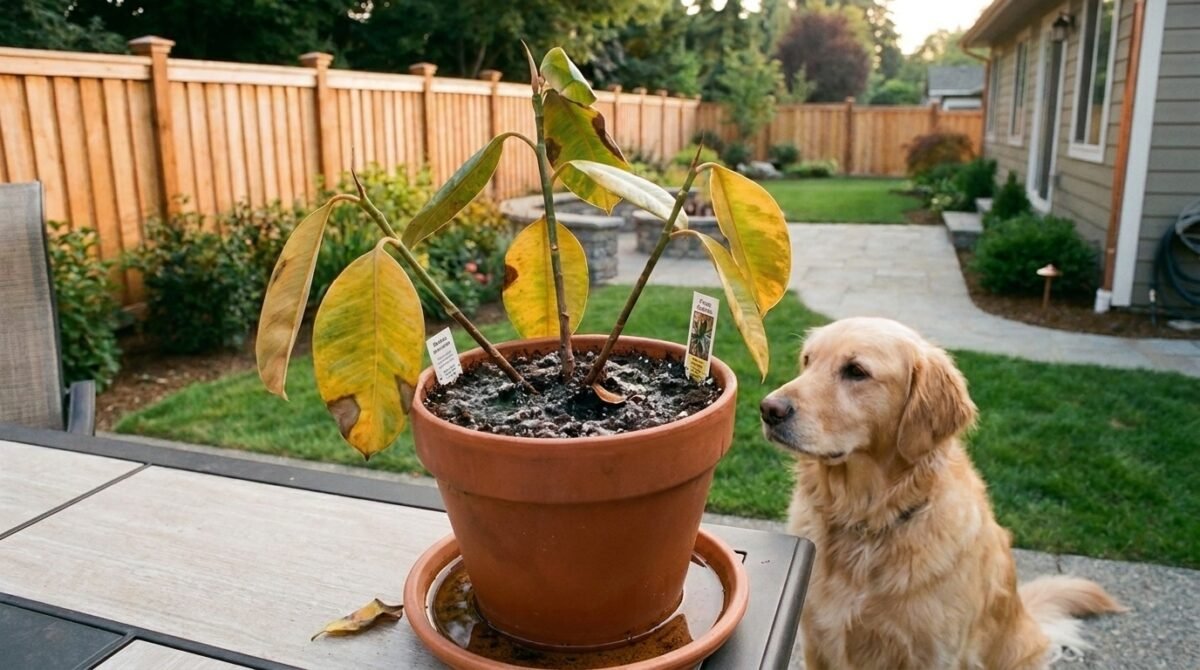
Heavy feeders like cucumbers, squash, and broccoli benefit from a weekly liquid fertilizer feeding and consistent mulch between harvests, which keeps plants productive rather than exhausted. If you’re noticing weaker growth or discoloration mid-season, our guide on why plant leaves turn yellow helps rule out the most common causes before they affect your yield. Proper spacing also matters more than people expect — our plant spacing calculator helps avoid the overcrowding that quietly reduces harvest size across an entire bed.

A Quick Word on Kitchen Safety During Harvest Season
Big harvests often mean big canning or preserving sessions — hours at the stove with pressure canners, boiling water baths, and multiple burners running at once. It’s a good moment to double-check the same home safety basics that matter the rest of the year. Working smoke alarms cut the risk of dying in a home fire by roughly 60%, according to National Fire Protection Association research, and kitchens are one of the most common places home fires start. If your canning season is coming up, our smoke detector calculator is worth a quick check beforehand — a few minutes now is a small price for real peace of mind during a busy preserving weekend.
FAQs: Garden Harvest
Practical timing guides, frost safety, and proper picking methods for fresh garden produce

Final Thoughts
A great harvest isn’t just about growing vegetables well — it’s about knowing the exact right moment to pick them, and handling them gently once you do. Morning picking, the one-third rule, and a little attention to each crop’s specific signals will make everything from your garden taste noticeably better than anything picked too early or too late.
Keep this guide handy through the season, and don’t be afraid to check your plants daily once harvest time gets close — a few extra minutes in the garden is a small trade for the best flavor your vegetables have to offer. That’s really what a garden harvest from seed to table is all about: patience at every stage, right up until the final, best-timed cut.