Revamp Your Kitchen with These Layout Ideas
12 Popular and Budget-Friendly Kitchen Layouts for Any Home
The right kitchen layout can transform your space, making it both functional and beautiful. It simplifies your cooking process, makes entertaining a breeze, and ensures your kitchen feels intuitive and easy to navigate—regardless of its size.
Your kitchen is the heart of your home. It’s where you cook, create memories, and connect with family and friends. A well-designed kitchen layout is key to maximizing this essential space. Whether you’re designing a small galley kitchen in an apartment or a spacious open-concept kitchen, the right floor plan can streamline your workflow, provide smart storage solutions, and enhance your home’s overall style.
How to Plan Your Kitchen Layout: A Step-by-Step Guide
Assess Your Lifestyle Needs: Before you start, think about how you use your kitchen. Do you entertain often and need an open layout? Is your family growing, requiring more storage for snacks and appliances? Or are you a passionate cook who needs ample counter space for food prep? Making a list of your top priorities will guide your design choices.
Optimize Your Workflow with the Kitchen Triangle: For maximum efficiency, follow the “kitchen work triangle” principle. This classic design rule suggests placing your refrigerator, sink, and stove in a triangular arrangement. This layout minimizes the steps you take between your main work areas, making cooking and cleaning smoother and more intuitive.
Incorporate Smart Storage Solutions: A well-organized kitchen is a functional kitchen. Go beyond basic cabinets and incorporate smart storage solutions to maximize your space. Consider adding pull-out pantry shelves, vertical dividers for baking sheets, deep drawers for pots and pans, and wall-mounted hooks for utensils. These additions help reduce clutter and keep your essentials within easy reach.
12 Kitchen Layout Ideas for Your Home
1. The Galley Kitchen Layout
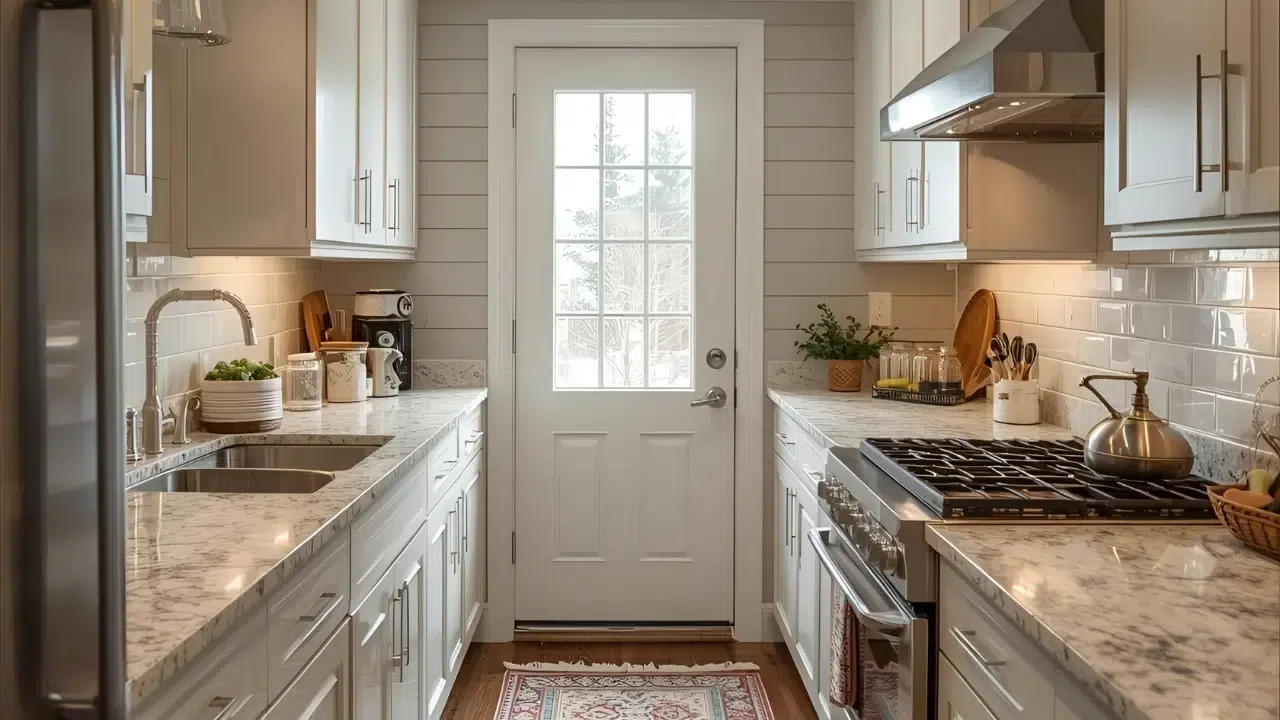
A galley kitchen is a classic and efficient layout, especially for smaller homes and apartments. It consists of two parallel countertops with a central walkway, or “galley,” in between.
- Why It’s a Great Choice: This layout is highly efficient, creating a perfect “work triangle” where the sink, refrigerator, and stove are all within easy reach. This minimizes movement and makes cooking and cleanup faster.
- Is It Trending? Absolutely. The galley layout is a popular choice for modern urban living, where space is often at a premium.
- Where It’s Popular: You’ll frequently find this design in cities like New York, London, and Tokyo, where apartment living is common.
- Our Ranking: We rank it as the #1 best kitchen layout for small spaces.
- Is It Cost-Effective? Yes, it’s one of the most budget-friendly options since it requires fewer custom corner cabinets and has a simpler footprint.
- Design Tip: To make a galley kitchen feel more open and spacious, use light-colored cabinets, reflective surfaces like glossy tiles or countertops, and good lighting.
2. L-Shaped Kitchen
Counters are placed along two walls, making it great for corners.
- Why It’s Great: It’s versatile and works well for small and large kitchens.
- Trending: It’s a classic choice that never goes out of style.
- Popular In: Suburban homes and open-plan spaces.
- Ranking: #2 for versatility.
- Cost-Effective: Affordable, especially if you’re working with existing walls.
- Tip: Add a small table or breakfast nook in the open area.
3. U-Shaped Kitchen
Counters are placed along three walls, giving you lots of storage and workspace.
- Why It’s Great: Perfect for big families or people who love to cook.
- Trending: Yes, for larger homes.
- Popular In: Spacious homes in the U.S. and Europe.
- Ranking: #3 for storage and functionality.
- Cost-Effective: Moderate cost, but worth it for the extra space.
- Tip: Use pull-out shelves to make the most of corner spaces.
4. Island Kitchen
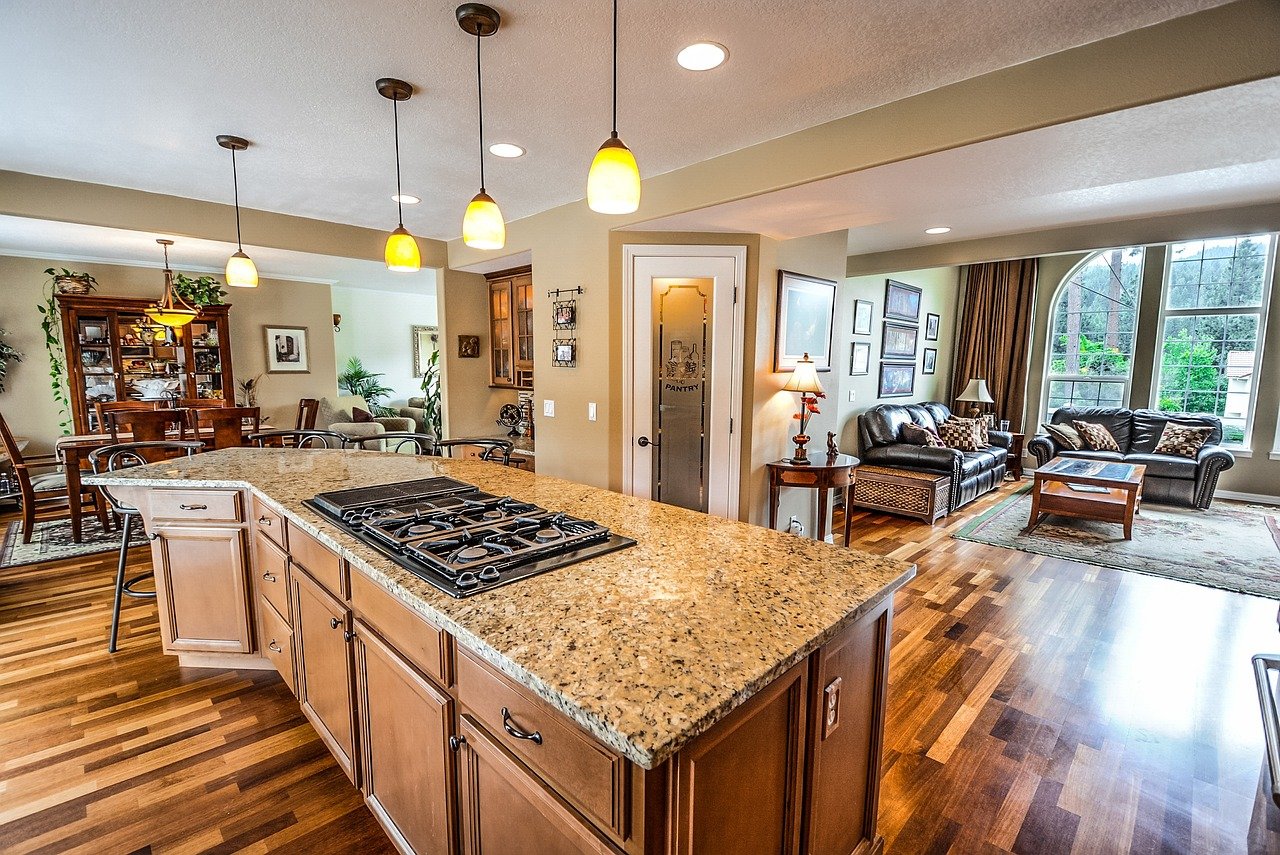
A kitchen island adds extra counter space and can be used for cooking, eating, or storage.
- Why It’s Great: It’s great for entertaining and makes the kitchen feel open.
- Trending: Very popular, especially in modern homes.
- Popular In: North America and Australia.
- Ranking: #1 for open-concept kitchens.
- Cost-Effective: It can be expensive due to the island, but it adds value to your home.
- Tip: Add a sink or stovetop to the island for more functionality.
5. One-Wall Kitchen
Everything is lined up along one wall, making it perfect for small spaces.
- Why It’s Great: It’s simple, saves space, and is easy to set up.
- Trending: Yes, for minimalist and small-space designs.
- Popular In: Studio apartments and tiny homes.
- Ranking: #4 for small kitchens.
- Cost-Effective: Very affordable.
- Tip: Use shelves and hooks to keep things organized.
6. Open-Concept Kitchen
This layout blends the kitchen with the living or dining area, making it great for hosting.
- Why It’s Great: It’s social and feels spacious.
- Trending: Extremely popular in modern homes.
- Popular In: North America, Europe, and Australia.
- Ranking: #1 for modern homes.
- Cost-Effective: This can be pricey due to structural changes, but adds value.
- Tip: Use rugs or lights to define the kitchen area.
7. P-Shaped Kitchen
Similar to a U-shaped kitchen but with an extra counter, called a peninsula.
- Why It’s Great: It adds extra workspace and seating.
- Trending: Yes, for medium-sized kitchens.
- Popular In: Homes in the U.S. and Canada.
- Ranking: #5 for functionality.
- Cost-Effective: Moderate cost, great for adding value.
- Tip: Use the peninsula as a breakfast bar or coffee station.
8. Kitchen with a Dining Nook
Add a cozy eating area to your kitchen for a family-friendly vibe.
- Why It’s Great: It’s perfect for meals and conversations.
- Trending: Yes, for family homes.
- Popular In: Suburban areas and family-friendly neighborhoods.
- Ranking: #6 for family kitchens.
- Cost-Effective: Affordable, especially with built-in seating.
- Tip: Use bench seating with hidden storage underneath.
9. Minimalist Kitchen
Keep things simple with a clean, clutter-free design.
- Why It’s Great: It’s easy to clean and looks modern.
- Trending: Very popular in urban areas.
- Popular In: Cities like Los Angeles, Berlin, and Singapore.
- Ranking: #2 for modern aesthetics.
- Cost-Effective: It can be affordable if you avoid high-end materials.
- Tip: Use jars and hooks to keep countertops clear.
10. Compact Kitchen
Designed for small spaces, this layout makes the most of every inch.
- Why It’s Great: It’s perfect for apartments or tiny homes.
- Trending: Yes, for tiny homes and micro-apartments.
- Popular In: Urban areas with limited space.
- Ranking: #3 for small spaces.
- Cost-Effective: Very budget-friendly.
- Tip: Use foldable or stackable furniture to save space.
11. Family-Friendly Kitchen
This layout is designed for busy families with durable surfaces and plenty of storage.
- Why It’s Great: Safe, functional, and easy to clean.
- Trending: Yes, for suburban homes.
- Popular In: Family neighborhoods in the U.S. and Canada.
- Ranking: #4 for family homes.
- Cost-Effective: Moderate cost, but durable materials last longer.
- Tip: Add a large island with seating for family activities.
12. Eco-Friendly Kitchen
Use energy-efficient appliances and sustainable materials for a greener kitchen.
- Why It’s Great: It’s better for the environment and saves energy.
- Trending: Very popular, especially among eco-conscious homeowners.
- Popular In: Europe, North America, and Australia.
- Ranking: #5 for sustainability.
- Cost-Effective: It can be expensive upfront but saves money in the long run.
- Tip: Install LED lights and motion-sensor faucets.
A Complete Guide to Kitchen Layouts: Pros and Cons
Choosing the right kitchen layout is one of the most important decisions you’ll make when designing your home. The best layout for you depends on your space, budget, and how you use your kitchen. Each design has its advantages and disadvantages. This guide breaks down the most popular kitchen layouts to help you find the perfect fit.
1. Galley Kitchen
A galley kitchen consists of two parallel counters with a narrow walkway in between. It’s a classic and efficient design, especially for smaller homes.
Pros:
- Highly Efficient: The tight “work triangle” (the space between your sink, stove, and refrigerator) means everything is within easy reach.
- Space-Saving: Ideal for apartments, condos, and narrow homes where space is limited.
- Cost-Effective: Fewer cabinets and countertops make it a budget-friendly option for building or remodeling.
- Ample Storage: With two walls of cabinets, you get plenty of storage for a small footprint.
Cons:
- Limited Counter Space: There’s not much room for food prep, especially if you have multiple appliances on the counter.
- Congested Workflow: It’s generally a one-person kitchen, as two people can easily get in each other’s way.
- Can Feel Cramped: The narrow design can feel enclosed, especially without a window at the end.
- No Room for an Island: This layout doesn’t support a kitchen island or an eat-in dining area.
2. L-Shaped Kitchen
An L-shaped kitchen features countertops along two adjoining walls that form an “L.” It’s a versatile layout that works well in small to medium-sized spaces.
Pros:
- Flexible Design: Works well in both small and large kitchens and is open to an adjacent dining or living area.
- Good Counter Space: Offers more continuous counter space than a galley kitchen.
- Supports Multiple Cooks: Two people can typically work without getting in each other’s way.
- Open Feel: The open corner allows for a small dining table or breakfast nook.
Cons:
- Awkward Corner Storage: The corner cabinet can be deep and difficult to access without specialized hardware like a Lazy Susan or pull-out shelves.
- Inefficient for Large Kitchens: If the “L” is too long, the appliances can be too far apart, making the work triangle inefficient.
3. U-Shaped Kitchen
A U-shaped kitchen has cabinets and counters along three walls, forming a “U.” This layout provides abundant storage and is great for serious cooks.
Pros:
- Maximum Storage & Counter Space: This layout offers the most storage and workspace of any design.
- Excellent Workflow: The classic work triangle is at its most efficient in a U-shaped kitchen.
- Accommodates Multiple People: There’s plenty of room for two or more people to cook and prep simultaneously.
- Modern Aesthetic: It provides a clean, organized, and professional look.
Cons:
- Requires a Large Room: This layout is best suited for larger kitchens.
- Difficult Corners: With two corners, you have double the potential for awkward, hard-to-reach storage.
- Can Feel Enclosed: If the “U” is too narrow or has upper cabinets on all three walls, it can feel closed off.
- Higher Cost: More cabinets and countertops mean a higher price tag for materials and installation.
4. Island Kitchen
This popular layout features a standalone counter unit, or “island,” in the center of the kitchen. The surrounding kitchen can be L-shaped, U-shaped, or one-wall.
Pros:
- Social Hub: An island is perfect for entertaining, as guests can gather around it while you cook.
- Extra Workspace & Storage: It provides additional surface area for food prep and can be fitted with cabinets, drawers, or even a second sink or cooktop.
- Casual Dining: Many islands include an overhang for bar stools, creating a casual spot for meals.
- Increases Home Value: A well-designed kitchen island is a highly desirable feature for homebuyers.
Cons:
- Requires Significant Space: You need enough clearance around the island for traffic flow and to open appliance doors.
- Expensive: An island is a costly addition, especially if it requires plumbing or electrical work.
- Can Disrupt Flow: A poorly placed or oversized island can make the kitchen feel cramped and obstruct the work triangle.
5. One-Wall Kitchen
Also known as a single-wall kitchen, this layout lines up all cabinets, countertops, and appliances along a single wall. It’s the ultimate space-saver.
Pros:
- Budget-Friendly: The simple design is inexpensive to build and perfect for minimalist aesthetics.
- Ideal for Tiny Spaces: This is the go-to layout for studio apartments, tiny homes, and accessory dwelling units (ADUs).
- Easy to Clean: With everything in one line, cleaning is quick and straightforward.
- Simple Utilities: Plumbing and electrical lines are all contained in one wall.
Cons:
- Limited Counter & Storage Space: This layout offers the least amount of workspace and storage.
- Inefficient Workflow: The work triangle becomes a straight line, requiring you to walk back and forth frequently.
- One-Person Kitchen: There is rarely enough room for more than one person to cook comfortably.
6. Open-Concept Kitchen
An open-concept kitchen flows seamlessly into the home’s living or dining areas without walls to separate them. This creates a large, multipurpose living space.
Pros:
- Spacious & Airy: Removing walls makes the entire area feel larger and more connected.
- Great for Families & Entertaining: You can cook while still interacting with family or guests.
- Modern & Desirable: This is a very popular and trendy design that can significantly increase home value.
Cons:
- Noise & Smells Travel: Cooking sounds and odors will spread throughout the open living area.
- Always on Display: Your kitchen is always visible, so messes and clutter are hard to hide.
- Expensive to Create: Removing walls, especially load-bearing ones, is a major and costly renovation.
7. Peninsula Kitchen (P-Shaped or G-Shaped)
A peninsula kitchen is similar to a U-shaped or L-shaped layout but includes a connected counter that juts out into the room. It offers the benefits of an island without needing as much space.
Pros:
- Defines the Space: A peninsula creates a partial barrier that separates the kitchen from an adjacent dining or living area.
- More Affordable Than an Island: It provides extra counter space and seating without the cost and space requirements of a freestanding island.
- Good for Medium-Sized Kitchens: It’s a great compromise when you want an island but don’t have the room.
Cons:
- Can Create a Bottleneck: The single entry point into the main kitchen area can become congested.
- Awkward Corner Storage: Like L- and U-shaped kitchens, it creates a tricky corner cabinet.
Essential Kitchen Safety Guidelines
A beautiful kitchen is only great if it’s safe. Following basic safety rules can prevent common accidents like fires, cuts, and falls.
Fire Safety
- Have a Fire Extinguisher: Keep a Class B or ABC fire extinguisher easily accessible.
- Never Leave Cooking Unattended: Stay in the kitchen when frying, grilling, or broiling food.
- Keep Flammables Away: Move towels, paper, and curtains away from the stovetop.
- Test Smoke Detectors: Ensure your smoke alarms are working by testing them monthly.
Cut and Blade Safety
- Keep Knives Sharp: A dull knife is more likely to slip and cause an injury than a sharp one.
- Use a Cutting Board: Always cut on a stable cutting board, never on the counter or in your hand.
- Store Knives Safely: Use a knife block or in-drawer organizer to protect blades and prevent accidental cuts.
Burn Prevention
- Use Pot Holders: Always use oven mitts or pot holders to handle hot pans and dishes.
- Turn Pot Handles Inward: Position pot handles toward the back of the stove so they can’t be bumped.
- Be Careful with Steam: Open lids away from your face to avoid steam burns.
Slip and Fall Prevention
- Clean Spills Immediately: Wipe up any liquids, grease, or food on the floor right away.
- Use Non-Slip Rugs: Place anti-slip mats in areas that might get wet, like in front of the sink.
- Keep Walkways Clear: Don’t leave boxes, bags, or other items on the floor where someone could trip.
Electrical Safety
- Keep Appliances Away from Water: Never operate electrical appliances with wet hands or near the sink.
- Check Cords for Damage: Don’t use appliances with frayed or damaged cords.
- Don’t Overload Outlets: Use surge protectors and avoid plugging too many high-power appliances into one outlet.
Food Safety and Hygiene
- Wash Your Hands: Wash hands with soap and water before, during, and after handling food.
- Prevent Cross-Contamination: Use separate cutting boards for raw meat and produce.
- Cook to Safe Temperatures: Use a food thermometer to ensure meat is cooked to the proper internal temperature.
- Refrigerate Promptly: Store leftovers in the refrigerator within two hours of cooking.
- mise when you want an island but don’t have the room.
Cons:
- Can Create a Bottleneck: The single entry point into the main kitchen area can become congested.
- Awkward Corner Storage: Like L- and U-shaped kitchens, it creates a tricky corner cabinet.
Essential Kitchen Safety Guidelines
A beautiful kitchen is only great if it’s safe. Following basic safety rules can prevent common accidents like fires, cuts, and falls.
Fire Safety
- Have a Fire Extinguisher: Keep a Class B or ABC fire extinguisher easily accessible.
- Never Leave Cooking Unattended: Stay in the kitchen when frying, grilling, or broiling food.
- Keep Flammables Away: Move towels, paper, and curtains away from the stovetop.
- Test Smoke Detectors: Ensure your smoke alarms are working by testing them monthly.
Cut and Blade Safety
- Keep Knives Sharp: A dull knife is more likely to slip and cause an injury than a sharp one.
- Use a Cutting Board: Always cut on a stable cutting board, never on the counter or in your hand.
- Store Knives Safely: Use a knife block or in-drawer organizer to protect blades and prevent accidental cuts.
Burn Prevention
- Use Pot Holders: Always use oven mitts or pot holders to handle hot pans and dishes.
- Turn Pot Handles Inward: Position pot handles toward the back of the stove so they can’t be bumped.
- Be Careful with Steam: Open lids away from your face to avoid steam burns.
Slip and Fall Prevention
- Clean Spills Immediately: Wipe up any liquids, grease, or food on the floor right away.
- Use Non-Slip Rugs: Place anti-slip mats in areas that might get wet, like in front of the sink.
- Keep Walkways Clear: Don’t leave boxes, bags, or other items on the floor where someone could trip.
Electrical Safety
- Keep Appliances Away from Water: Never operate electrical appliances with wet hands or near the sink.
- Check Cords for Damage: Don’t use appliances with frayed or damaged cords.
- Don’t Overload Outlets: Use surge protectors and avoid plugging too many high-power appliances into one outlet.
Food Safety and Hygiene
- Wash Your Hands: Wash hands with soap and water before, during, and after handling food.
- Prevent Cross-Contamination: Use separate cutting boards for raw meat and produce.
- Cook to Safe Temperatures: Use a food thermometer to ensure meat is cooked to the proper internal temperature.
- Refrigerate Promptly: Store leftovers in the refrigerator within two hours of cooking.
Complete Kitchen Guide: Safety and Cleaning
Your complete guide to kitchen layouts, safety, and keeping your kitchen clean and healthy.
Kitchen Cleaning Guidelines
A clean kitchen prevents illness and keeps your family healthy. Follow these steps for daily, weekly, and monthly cleaning.
Daily Cleaning Tasks
- Wash dishes right after each meal.
- Wipe down all counters and tables.
- Clean the stove after cooking.
- Take out the trash before it gets full.
- Sweep the floor to remove crumbs and dirt.
- Wipe the sink clean and dry it.
Weekly Cleaning Tasks
- Mop the entire kitchen floor.
- Clean inside the refrigerator.
- Wipe down the microwave inside and out.
- Clean cabinet fronts and handles.
- Wash dish towels and clean cloths.
- Empty and clean the trash can.
Monthly Cleaning Tasks
- Clean inside ovens and stovetops.
- Degrease kitchen walls and backsplash.
- Clean light fixtures and ceiling.
- Organize and clean inside cabinets.
- Deep clean all kitchen appliances.
Cleaning Materials and Equipment
You need the right tools and products to clean well. Here are essential items to keep in your kitchen.
Essential Cleaning Tools
- Microfiber cloths for wiping and drying.
- Soft sponges for dishes and surfaces.
- Stiff brushes for scrubbing tough spots.
- Mops and buckets for floor cleaning.
- Brooms and dustpans for sweeping.
- Vacuum cleaner for carpets.
- Squeegees for windows and mirrors.
- Trash cans with lids to contain waste.
Cleaning Product Storage
- Keep all cleaning products in a locked cabinet.
- Store away from food and dishes.
- Keep out of reach of kids and pets.
- Label all containers clearly.
Safe Cleaning Chemicals
Use safe products to clean your kitchen. Many chemicals are toxic and dangerous. Always choose safe options for your family.
Safe Cleaning Products
- Baking soda is safe and effective. Use it for scrubbing.
- Vinegar is natural and kills germs safely.
- Lemon juice is acidic and cleans well.
- Dish soap is mild and safe for dishes.
- Salt works as an abrasive cleaner.
- Bleach kills bacteria but use with caution in well-ventilated areas.
Chemicals to Avoid
- Harsh ammonia-based cleaners are toxic.
- Avoid products with phosphates.
- Never mix chemicals together.
- Do not use products with phthalates.
- Avoid aerosol sprays with VOCs.
Safe Product Tips
- Always read product labels carefully.
- Look for eco-friendly and non-toxic labels.
- Ventilate the kitchen when using chemicals.
- Wear gloves to protect your hands.
- Keep emergency numbers for poison control nearby.
Kitchen Hygiene Practices
Good hygiene stops the spread of illness. Follow these practices to keep your kitchen safe and clean.
Personal Hygiene
- Wash your hands before handling food.
- Wash hands after touching raw meat.
- Clean under fingernails carefully.
- Wear clean clothes when cooking.
- Tie back long hair to prevent contamination.
Food Safety Hygiene
- Keep raw and cooked food on separate surfaces.
- Use different cutting boards for meat and vegetables.
- Wash cutting boards after use.
- Store food at proper temperatures.
- Check expiration dates on food items.
Surface and Equipment Hygiene
- Clean counters between food prep tasks.
- Sanitize surfaces that touch raw meat.
- Wash utensils in hot soapy water.
- Wash dish towels frequently.
- Empty sink strainers and drain traps daily.
Controlling Kitchen Odours
Bad smells come from food, drains, and bacteria. Follow these steps to keep your kitchen fresh and clean.
Common Kitchen Odour Sources
- Garbage and trash cans are the worst smell source.
- Drains collect food waste and get smelly.
- Spoiled food in the fridge creates bad odours.
- Dish towels hold moisture and smell.
- Cooking odours linger on walls and cabinets.
How to Remove Bad Smells
- Take out trash daily to prevent rot.
- Pour baking soda down drains to absorb odours.
- Pour boiling vinegar water down drains.
- Clean the refrigerator regularly.
- Keep windows open for air flow.
- Turn on range hoods while cooking.
- Wash dish towels after each use.
- Place bowls of vinegar around the kitchen.
- Sprinkle baking soda in trash cans.
- Burn scented candles or use air fresheners.
Understanding Germs and Bacteria
Germs and bacteria live everywhere in kitchens. They cause food poisoning and illness. Learn how to fight them.
What Are Germs and Bacteria?
- Germs are tiny living things you cannot see.
- Bacteria are one type of germ.
- They grow in warm, wet, and dirty places.
- Germs cause stomach sickness, food poisoning, and infections.
- Germs can live for hours on kitchen surfaces.
Where Germs Hide in Your Kitchen
- Kitchen sinks and drains are germ hotspots.
- Cutting boards harbor harmful bacteria.
- Dish towels and sponges collect germs fast.
- Refrigerators hold germs in ice and shelves.
- Garbage disposals are very dirty places.
- Trash cans have millions of germs.
- Door handles get touched often and spread germs.
How to Kill Germs and Bacteria
- Heat kills most germs. Wash dishes in hot water.
- Bleach diluted in water kills bacteria.
- Vinegar and baking soda are natural bacteria killers.
- Soap and water remove germs from surfaces.
- Keep surfaces dry to stop germ growth.
- Replace sponges and towels regularly.
- Sanitize high-touch areas like handles and buttons.
Cockroach and Pest Prevention
Pests like cockroaches spread germs and contaminate food. Learn how to prevent and control them.
Why Cockroaches Are Dangerous
- Cockroaches carry harmful bacteria on their bodies.
- They contaminate food and kitchen surfaces.
- Their droppings spread disease and allergens.
- They cause food poisoning and gastrointestinal illness.
- They trigger asthma and allergy problems.
How to Prevent Cockroaches
- Never leave food out on counters.
- Store all food in sealed, airtight containers.
- Take out trash daily before it piles up.
- Clean up spills and crumbs immediately.
- Wash dirty dishes right away.
- Fix leaky pipes and dry up wet areas.
- Seal cracks and gaps in walls and cabinets.
- Keep the kitchen clean and clutter-free.
- Remove cardboard boxes and paper bags quickly.
Natural Cockroach Control Methods
- Diatomaceous earth is a natural roach killer.
- Boric acid powder eliminates cockroaches.
- Bay leaves and cucumber peels deter cockroaches.
- Peppermint essential oil repels pests.
- Citronella oil is a natural pest repellent.
Chemical Control and Professional Help
- Insecticides can be effective but are toxic.
- Read all instructions before using chemicals.
- Keep children and pets away from treated areas.
- Hire a pest control professional if infestation is bad.
- Professionals use safe and effective methods.
- Ask about guarantees on pest control services.
Other Common Kitchen Pests
- Ants invade food and can bite. Use ant traps.
- Fruit flies breed in drains. Clean drains well.
- Mice and rats eat food and leave droppings.
- Pantry moths infest stored foods.
- Use traps and proper storage to prevent pests.
Summary: A Clean Kitchen is a Healthy Kitchen
Keeping your kitchen clean and safe is important for your family’s health. Follow the cleaning guidelines, use safe chemicals, and prevent pests. A clean kitchen stops the spread of illness and germs. Make cleaning a daily habit. Your kitchen will be fresh, healthy, and beautiful.
Disclaimer
Important Legal Notice
This document provides general information about kitchen cleaning and pest control. It is not professional advice. Consult a professional for serious pest infestations or health concerns.
Always test cleaning products on small areas first. If allergic reactions occur, stop using immediately and seek medical help. Keep all chemicals away from children and pets.
We are not responsible for injuries, damages, or illnesses from using this information. Use common sense and follow product instructions carefully.

FAQs: Kitchen Layout Concepts
1. Which layout best suits compact kitchens?
Galley and L-shaped kitchens work best. Both keep things close. You walk less. You work fast. Add vertical storage. Use small tools. This saves space and time.
2. What are the top five kitchen configurations?
The top five are: L-shaped, U-shaped, Galley, Island, and Peninsula. Each has benefits. L-shaped fits many spaces. U-shaped gives lots of room. Galley is efficient. Island looks modern. Peninsula adds function.
3. Is a 12×12 kitchen considered spacious?
A 12×12 kitchen is medium-sized. It has 144 square feet. That’s enough for most needs. You can fit an island. You have good storage. It’s not tiny but not huge.
4. What four core zones define a kitchen?
The four zones are: prep, cook, store, and clean. Prep is where you cut food. Cook is the stove area. Store is the fridge and cabinets. Clean is the sink. Put them close.
5. What does the term “kitchen layout” truly mean?
Layout is how you place things. It’s where the stove goes. Where the sink sits. How cabinets line up. Good layout makes work easy. Bad layout wastes time and space.
6. How can one craft a flawless kitchen design?
Follow these steps: Think about what you need. Use the work triangle. Add smart storage. Use good lights. Pick easy-to-clean stuff. Measure twice. Plan well. Then build.
7. What does “P” signify in kitchen design?
P means Peninsula. It’s a counter that sticks out. It’s like a half island. One side is open. One side connects to the wall. It adds space and style.
8. Can an island fit inside a 12×12 kitchen?
Yes, a small island can fit. You need 36 to 42 inches around it. That’s your walk space. A narrow or portable island works best. Check your space first.
9. What does Kitchen EQ stand for?
EQ stands for Equipment. It means all your tools and machines. Stoves, ovens, and fridges are EQ. Food processors too. These items help you cook well.
10. What is meant by Kitchen SOP?
SOP stands for Standard Operating Procedures. These are rules for your kitchen. They keep things safe and clean. They make work fast and smooth.
11. What is a 10 Kitchen?
A 10 Kitchen is 100 square feet. That’s 10 by 10 feet. It’s the size used to price cabinets. It’s a standard size for estimates.
12. Define Kitchen IQ.
Kitchen IQ is your cooking skill level. It’s knowledge about food and prep. It’s how well you manage your space. It’s also a brand name for kitchen tools.
13. What is a CDP Kitchen?
CDP is Chef de Partie. This is a job in big kitchens. A CDP runs one section. They make sauces or grill food. Each chef has their own zone.
14. Describe a “Wonder Kitchen.”
A Wonder Kitchen is modular. It has smart design and great storage. It uses high-end tools. It does a lot in a small space. It’s efficient and modern.
15. What does ISO signify in a kitchen?
ISO is a world standard. An ISO kitchen follows safety rules. It keeps food clean and fresh. It meets global health codes.
16. Is HACCP a form of SOP?
Yes, HACCP is a type of SOP. HACCP stands for Hazard Analysis and Critical Control Points. It focuses on food safety. It stops germs and bad stuff.
17. What are the five main types of kitchen utensils?
They are: Cutting tools like knives. Measuring tools like cups. Cooking tools like spatulas. Storage tools like containers. Prep tools like mixers.
18. Explain “Kitchen Math.”
Kitchen Math is doing math while you cook. You change cup amounts to ounces. You change recipes to feed more people. You turn Fahrenheit to Celsius for ovens.
19. What are the 4Cs of kitchen safety?
The 4Cs are: Clean – wash well. Cook – heat food hot. Chill – store food cold. Separate – keep raw and cooked apart. These four keep food safe.
20. What is a 10×10 cabinet layout?
This is 100 square feet of cabinets. Sellers use this to quote prices. It helps you compare costs. It’s a standard measure.
21. How does layout impact workflow?
Good layout saves steps. You move less. You reach less. Work feels fast and smooth. Bad layout makes you walk a lot. You get tired.
22. Which design enhances resale value most?
Open-concept and island layouts add value most. Buyers like them. They look modern and big. Updated kitchens sell homes faster for more money.
23. Can traditional layouts suit modern homes?
Yes, they can work. Mix old styles with new tools. Use new colors with classic shapes. Blend past and present for a unique look.
24. What’s the most cost-efficient layout type?
Galley and one-wall layouts cost less. They use less material. They need fewer walls moved. They’re budget-friendly for small spaces.
25. How can lighting elevate a kitchen layout?
Good light makes space feel big. Bright spots help you see to cook. Task lights work on counters. Mood lights make it nice. Light fixes poor layout.
Related Resources and External Links
Use these trusted resources for more kitchen and safety information.
CDC Food Safety Information
Visit: https://www.cdc.gov/foodsafety – The CDC provides expert food safety guidelines. Learn how to prevent food poisoning. Get information on proper food storage and handling.
EPA Environmental Protection Agency
Visit: https://www.epa.gov/pesticides – EPA offers safe pesticide and pest control information. Find information about safe chemicals. Learn about eco-friendly pest prevention methods.
Final Thoughts
Your kitchen is the heart of your home. Keep it clean, safe, and healthy. A well-designed kitchen is great, but a clean kitchen is essential. Protect your family from germs, pests, and illness. Make cleaning a regular habit. Use safe products. Follow good hygiene practices. Your family will be healthier and happier. Start today!
Lorem ipsum dolor sit amet, consectetur adipiscing elit. Ut elit tellus, luctus nec ullamcorper mattis, pulvinar dapibus leo.