Best Indoor plants: 10 Easy Indoor Plants for New Plant Parents
Let’s be honest. You’ve probably killed a plant before. Maybe more than one. You watered it too much, forgot about it for three weeks, or put it in a dark corner and hoped for the best.
You’re not alone. Most people who say “I have a black thumb” don’t actually have bad luck. They just started with the wrong houseplants.
This indoor plants guide is built for real beginners — people with busy schedules, low light apartments, curious pets, or zero gardening experience. Every plant on this list is genuinely one of the easiest indoor plants you can own. No fussy humidity requirements, no daily watering rituals, no plant whispering required.
By the end of this guide, you’ll know which indoor plants for beginners to buy, where each one belongs in your home, and how to keep it thriving for years instead of weeks.

Why Indoor Plants Are Worth the Space
Houseplants aren’t just decor. There’s real substance behind why they make a home feel better, and why indoor gardening has become such a lasting trend rather than a passing one.
Indoor greenery has been linked to lower stress and a calmer mood, which is a big part of the growing interest in biophilic design — the idea of bringing natural elements indoors on purpose. Some studies even connect a well-styled indoor jungle to better focus and productivity, especially in home offices. Beyond the emotional side, certain air purifying indoor plants can help with indoor air quality, since indoor air often carries more pollutants than people expect — a link first tested at scale in NASA’s landmark study on interior plants and air pollution.
If you’re setting up a plant corner for the first time, it helps to browse a full indoor plants collection first, just to get a feel for shapes, sizes, and indoor plant types before committing to specific varieties.
What Makes a Houseplant “Foolproof”?
Before the list, here’s what actually separates the best indoor plants for beginners from high-maintenance ones:
- Tolerates inconsistent watering — survives if you forget for a week or two
- Adapts to different light levels — doesn’t sulk in a low light indoor plants setup
- Resists common pests — less prone to indoor plant pests like spider mites, aphids, or scale insects
- Forgives beginner mistakes — bounces back from a little neglect or accidental overwatering
Keep this checklist in mind, because it’s exactly how we chose the 10 plants below.

1. Snake Plant (Sansevieria)
If one plant deserves the title of “impossible to kill,” it’s the snake plant. It handles very low light indoor plants conditions, bright sun, dry air, and long stretches without water like it’s nothing.
Snake plants store water in their thick leaves, so overwatered indoor plants problems are actually a bigger risk than underwatered ones here. Water only when the soil is completely dry, roughly every 2 to 3 weeks.
They’re also one of the plants included in the original NASA Clean Air Study, one of the most cited sources behind the “NASA clean air plants” reputation that snake plants and a handful of others carry.

2. Pothos (Devil’s Ivy)
Pothos is the plant equivalent of a friend who never complains. It grows in low light, in bright indirect light plants setups, and even in a jar of water on your kitchen windowsill.
It’s a favorite for indoor hanging plants and hanging basket plants because the vines can trail for feet if left untrimmed, or you can prune them back to keep a fuller, bushier shape. Yellow leaves on indoor plants like pothos usually mean overwatering, so let the topsoil dry out between drinks.

3. ZZ Plant (Zamioculcas Zamiifolia)
The ZZ plant has waxy, glossy leaves that almost look artificial — but it’s very real, and very tough. It stores water in its rhizomes underground, meaning it can go weeks without a drink and still look sharp, even in rooms with indoor plants for direct sunlight nowhere in sight.
This is one of the best low light indoor plants for offices, hallways, or any indoor plants for dark rooms situation where natural light is scarce.

4. Spider Plant (Chlorophytum Comosum)
Spider plants are a classic beginner favorite for good reason. They tolerate a wide range of light, from indirect light indoor plants spots to slightly shadier corners, and bounce back quickly from missed waterings. They also produce adorable little “babies” that make indoor plant propagation almost effortless — just snip one off and root it in water.
They’re widely considered one of the more pet friendly indoor plants, which makes them a solid pick if you’ve got a curious cat or dog at home.

5. Peace Lily (Spathiphyllum)
Peace lilies are one of the few easy indoor plants that also flower indoors, making them a top pick if you’re after indoor flowering plants that still forgive beginner mistakes. They’re dramatic in the best way — when they need water, the leaves droop noticeably, then perk right back up once watered.
Note: peace lilies aren’t on the ASPCA’s non-toxic plant list, so if you have curious animals, check a poisonous plants finder before placing one somewhere they can reach.

6. Chinese Evergreen (Aglaonema)
Chinese evergreens come in dozens of leaf patterns, from deep green to pink-splashed dark foliage plants varieties, and they’re remarkably tolerant of low light and dry indoor air. They’re a great pick if you want something visually interesting without the maintenance of a fussier flowering plant.

7. Philodendron (Heartleaf and Split-Leaf Varieties)
Philodendrons are close cousins to pothos and just as forgiving. The heartleaf variety trails beautifully from tabletop indoor plants displays, while split-leaf types make a bold statement among large indoor plants in bigger rooms.
If you’re drawn to the bigger, dramatic varieties, it’s worth comparing split-leaf philodendron types and sizes before buying, since some varieties can eventually take up a lot of floor space.

8. Dracaena
Dracaenas are a go-to if you want tall indoor plants or an indoor tree-like look without the fussiness of a fiddle leaf fig. They’re drought tolerant, adapt well to medium light, and come in dozens of varieties with different leaf colors and patterns, making them popular floor indoor plants for corners that need height.

9. Jade Plant (Crassula Ovata)
Jade plants are succulents, meaning they store water in their leaves and genuinely prefer to be left alone between waterings. Give them bright light and a well-draining soil for indoor plants, and they’ll reward you with slow, steady growth for years — some even become small “trees” over time, similar to a bonsai in form if you prune them that way.

10. Aloe Vera
Aloe vera earns its spot on almost every easy indoor plants list because it’s both low maintenance and genuinely useful. Keep it in a sunny spot, water sparingly like you would a cactus, and you’ll always have a little gel on hand for minor burns or dry skin.

More Easy-Care Popular Indoor Plants Worth Exploring
Once you’ve got the basics down with the plants above, it’s worth branching out. A few other popular indoor plants that beginners often move on to next:
- Rubber plant — bold, glossy leaves and a forgiving watering schedule
- Fiddle leaf fig — a statement plant, but slightly fussier about light consistency
- Calathea — gorgeous patterned leaves for those ready to manage indoor plant humidity a bit more closely
- Orchid — a rewarding step into indoor flowering plants once you’re past total beginner stage
- Fern — great for bathrooms and other naturally humid spots
- Ivy — another reliable option for hanging baskets and shelves
- Croton — bright, colorful foliage that thrives in strong indirect light
- Bromeliad and anthurium — both add unusual texture and color to a plant collection
- Majesty palm — a lush, tropical look for larger, brighter rooms
- Cactus and succulents — ideal if you tend to underwater rather than overwater

Choosing the Right Light for Your Space
Light is the single biggest factor in whether a houseplant thrives or struggles, so it’s worth being honest about what your space actually offers.
- Very low light indoor plants (think interior hallways or windowless bathrooms): snake plant, ZZ plant
- Indoor plants for dark rooms or north-facing windows: pothos, Chinese evergreen, philodendron
- Indoor plants with little light or filtered light: spider plant, dracaena
- Bright indirect light plants: peace lily, calathea, croton
- Indoor plants for direct sunlight, like a south-facing windowsill: aloe vera, jade plant, cactus and other succulents
If you’re genuinely unsure, indoor plants that don’t need sunlight in the traditional sense — snake plant and ZZ plant especially — are the safest starting point for indoor plants for shade or low-light apartments.

Where to Put Your Plants Around the House
Different rooms call for different plants, based on light, humidity, and how much attention you’ll realistically give them.
- Indoor plants for living room spaces: larger statement pieces like dracaena, split-leaf philodendron, or a floor-standing fern
- Indoor plants for bedroom: peace lily or snake plant, both easy to maintain in lower light
- Indoor plants for bathroom: ferns and pothos, which appreciate the natural humidity
- Indoor plants for office or indoor plants for small spaces: ZZ plant or a small succulent that doesn’t need much room or attention
- Indoor plants for apartments with limited windows: pothos, Chinese evergreen, and other very low light indoor plants

Getting the Basics Right: Soil, Pots, and Watering
Even the toughest plants need the right foundation.
Soil: Most of these plants prefer well-draining soil for indoor plants rather than dense garden soil. Look for a potting mix for indoor plants that includes ingredients like perlite, coco coir, or peat moss for drainage. A soil type guide can help you match the right blend to the right plant.
Pot Size: A pot that’s too big holds excess moisture and invites root rot; too small and roots get cramped. A quick pot size calculator takes the guesswork out of it.
Watering Schedule: Most beginner mistakes come from overwatering, not underwatering. Bottom watering — letting the pot soak from a tray below — helps roots pull up only what they need, while top watering works fine for most of the plants on this list as long as excess water can drain freely. A simple moisture meter or the classic finger test (an inch into the soil) tells you when it’s actually time to water. An indoor plant care calculator can help you build a personalized routine.
Fertilizer: These plants don’t need heavy feeding, but a light dose of liquid fertilizer during spring and summer helps, and a natural fertilizer or compost mix works well for anyone wanting a more organic approach. A fertilizer selector can help you pick something appropriate rather than guessing at the garden store.
Ongoing Care: Beyond watering, indoor plant pruning keeps growth full rather than leggy, and occasional indoor plant cleaning — wiping dust off leaves with a damp cloth — helps plants photosynthesize better and also makes it easier to spot pests early.
Do These Plants Need Grow Lights?
Most of the plants on this list can survive on natural light alone, but if your home is genuinely dim, indoor plant grow lights can make a real difference. LED grow lights for indoor plants are energy efficient and widely available, and full spectrum grow lights in particular mimic natural daylight closely enough to support healthy growth even in a windowless room or basement.


Are These Plants Safe Around Pets?
If pets are part of the household, this matters as much as light or watering.
Indoor plants safe for cats and indoor plants safe for dogs generally include spider plants, most succulents, and areca palms. These are commonly grouped under non-toxic houseplants lists because they don’t contain compounds that irritate pets if nibbled.
Peace lilies, pothos, and philodendrons, on the other hand, are not considered cat friendly plants or dog friendly plants, since they can cause mouth and stomach irritation if chewed. If you’re building a pet-safe indoor plants collection, it’s worth cross-checking every variety against the ASPCA’s searchable toxic and non-toxic plant database, or running it through a poisonous plants finder first.

How Much Do These Plants Really Help Indoor Air Quality?
Air purifying houseplants get a lot of attention, and for good reason. Indoor plants that clean air — or more accurately, indoor plants that purify air to some measurable degree — were the focus of NASA’s original research on interior landscape plants and indoor air pollution, which tested how effectively certain species removed common indoor toxins in sealed lab conditions.
Snake plants, peace lilies, and spider plants were all part of that research and remain some of the most recommended clean air plants for improving indoor air quality at home. Real homes aren’t sealed labs, so the effect is smaller in practice than the original headlines suggested — but a room full of healthy greenery genuinely does contribute to cleaner indoor air, alongside good ventilation.

Troubleshooting Common Indoor Plant Problems
Even foolproof plants run into hiccups sometimes. Here’s a quick reference for the most common indoor plant diseases and pest issues:
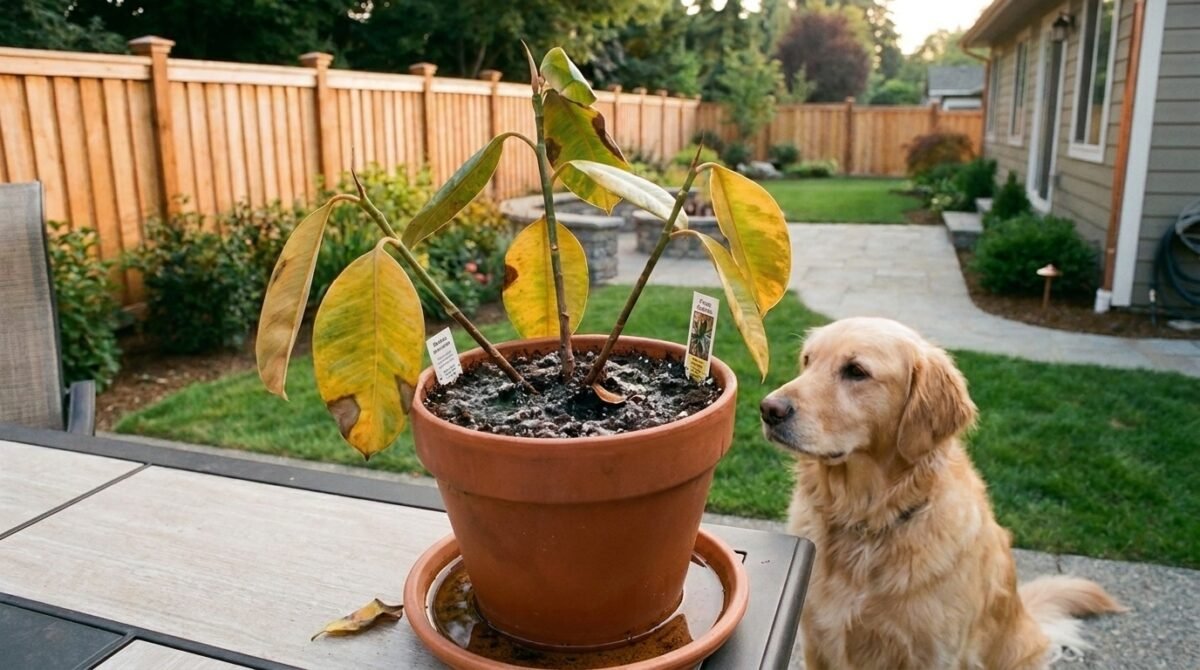
- Yellow leaves on indoor plants: Usually overwatering or poor drainage. Check soil moisture and drainage holes first.
- Brown leaf tips: Often low humidity or mineral buildup from tap water.
- Root rot: Caused by soggy soil sitting too long. Repot into fresh soil and trim mushy roots.
- Fungus gnats: Tiny flies hovering around the soil, usually from overly wet topsoil. Let the soil dry out more between waterings.
- Spider mites on houseplants: Fine webbing and speckled leaves are the giveaway. Wipe leaves down and increase humidity slightly.
- Aphids on indoor plants and mealybugs: Small clustered insects on new growth or leaf undersides. A diluted insecticidal soap usually clears them up.
- Scale insects: Small, waxy bumps on stems and leaves that are surprisingly easy to miss until an infestation is underway.
- Underwatered indoor plants: Look for crispy edges, drooping, and soil pulling away from the pot’s sides.
If your plant’s leaves keep changing color unexpectedly, this deeper look at why plant leaves turn yellowish walks through the most common causes in more detail.

Styling Your Indoor Plants Like a Pro
Once you’ve got healthy plants, styling them well makes a real difference to the overall feel of a room. A few modern plant styling ideas worth trying:
- Use indoor plant stands or plant shelves to add height variation instead of lining everything up at the same level
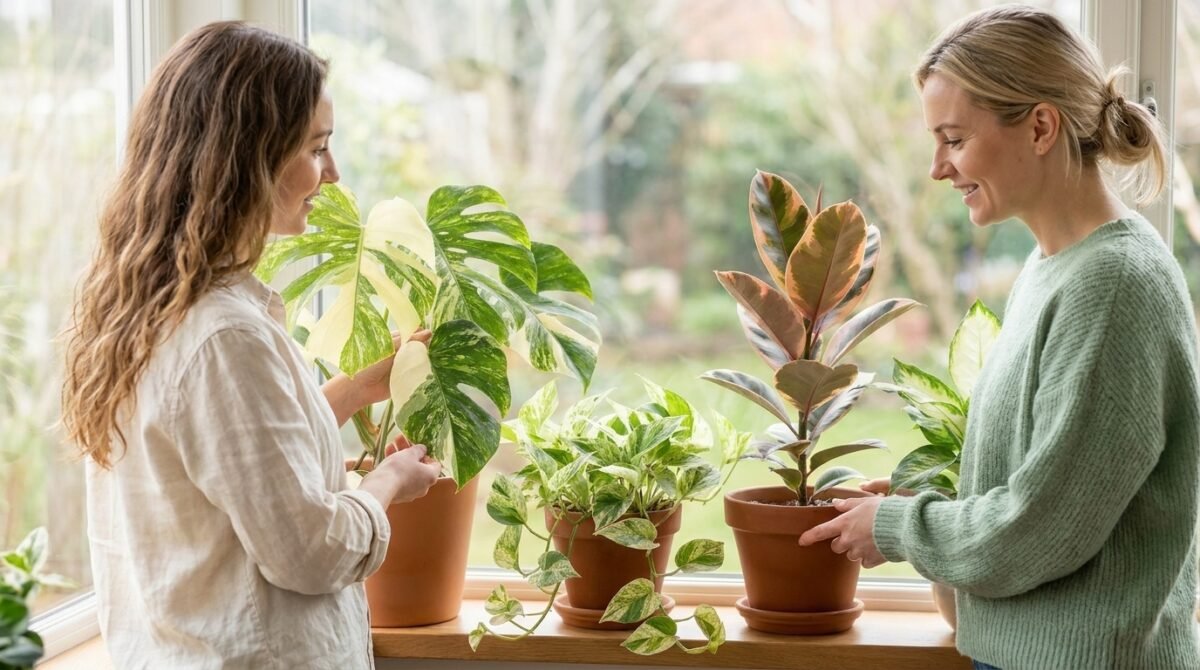
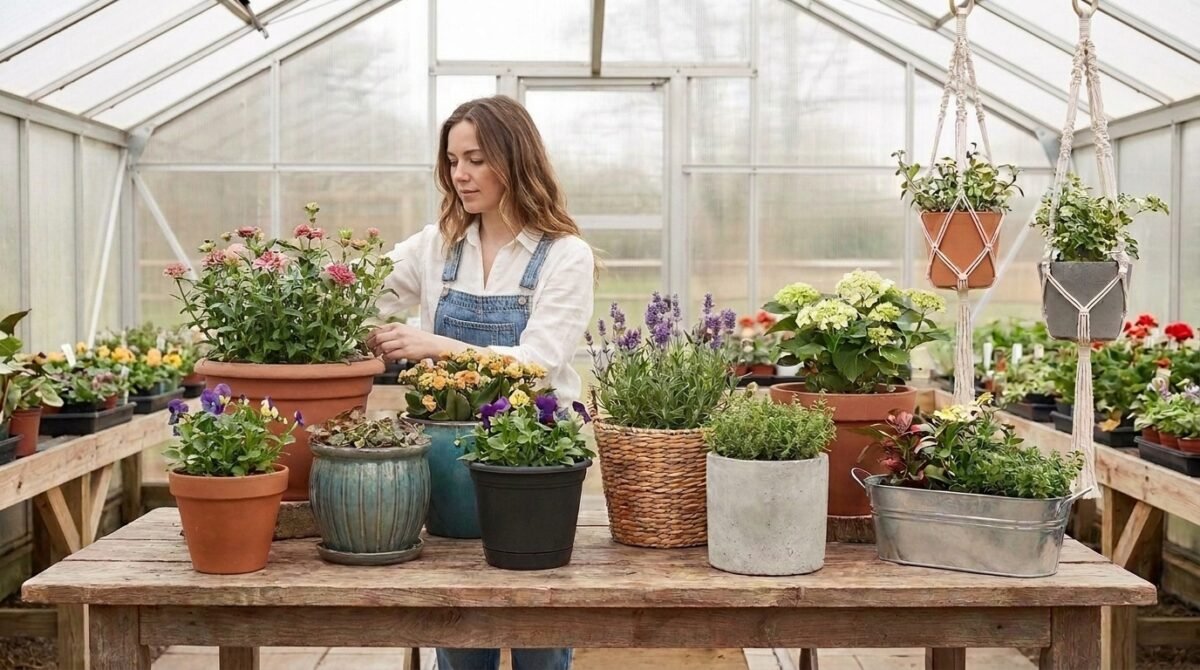
- Mix decorative pots, ceramic planters, and terracotta pots for texture, tying into the ongoing terracotta revival in home decor
- Add macrame plant hangers near a bright window for trailing vines like pothos or ivy
- Lean into minimalist plant decor with fewer, larger statement plants if you prefer a calmer look, or go all-in on an indoor jungle trend with dense, layered greenery
If you like a darker, more atmospheric aesthetic, browsing moody houseplants for beginners is a great next step once you’ve mastered the basics here. For bigger, jungle-style setups, statement plants like a monstera deliciosa can anchor a room once you’re comfortable with the fundamentals.

A Quick Word on Home Plants Safety
Bringing more greenery, grow lights, and electronics into your home is a good moment to double-check your basic home safety setup too. Working smoke detectors are one of the simplest, cheapest ways to protect your household — according to the National Fire Protection Association’s latest smoke alarm research, a working smoke alarm cuts your risk of dying in a home fire by roughly 60 percent compared to having none at all. If it’s been a while since you checked yours, a smoke detector calculator can help you figure out how many you actually need and where to place them.
FAQs: Houseplant Care
Expert layout guidelines covering species selection, irrigation, propagation, and problem-solving paths

Final Thoughts
Growing houseplants successfully isn’t about having a green thumb. It’s about picking plants that match your lifestyle and light conditions, then giving them just enough attention without overdoing it.
Start with one or two plants from this list. Get comfortable with their rhythm. Once you see them thriving, you’ll probably find yourself reaching for more — and that’s exactly how a great indoor jungle starts, one foolproof plant at a time.